Best Bikes Under ₹1.5 Lakh in India (2026)
This guide is based on real owner forum data, dealer service quotes, and independent test rides — not manufacturer claims. Mileage figures reflect typical city riding conditions, not ARAI lab results. On-road prices vary by state; ex-showroom prices listed throughout.
The ₹1–1.5 lakh bracket is where Indian motorcycling gets genuinely interesting. You move beyond bare-bones commuters into a segment with real performance choices: fuel injection, disc brakes front and rear, digital clusters, sporty ergonomics, and engines that are comfortable well past 80 km/h. Whether you're stepping up from a commuter or buying your first "proper" motorcycle, this is the segment that delivers.
This guide covers 15 bikes that consistently deliver real-world value across different riding styles — from refined daily commuters to track-ready nakeds. We include honest pros, cons, running costs, and clear guidance on who each bike actually suits.
Quick Picks — Skip to Your Best Match
- Best overall under ₹1.5L: Yamaha FZ-S Fi V4 — premium feel, refined engine, strong resale
- Best 125cc commuter: Honda SP 125 — smoothest, most fuel-efficient 125cc
- Most sporty 125cc: Hero Xtreme 125R — aggressive styling with disc brakes
- Best value 125cc: TVS Raider 125 — most features per rupee in 125cc
- Best budget 125cc: Bajaj Pulsar N125 — modern Pulsar design at lowest price
- Best 150cc workhorse: Bajaj Pulsar 150 — proven reliability, huge service network
- Best modern 160cc: Bajaj Pulsar N160 — FI, disc brakes, sporty ergonomics
- Best performance 160cc: TVS Apache RTR 160 4V — race-derived, most track-focused
- Best refined 160cc: Honda SP160 — smoothest engine, Honda build quality
- Best naked sport: Bajaj Pulsar NS160 — semi-faired aggression under budget
- Best Hero performance: Hero Xtreme 160R — sporty styling, competitive performance
- Best all-rounder faired: Suzuki Gixxer SF — balanced commuter + weekend sport
- Best pure commuter upgrade: Hero Splendor Plus XTEC — top commuter features under ₹85k
- Best Honda commuter step-up: Hero Glamour — 125cc comfort with Hero service network
- Best street naked: Suzuki Gixxer — lightweight, balanced, refined 155cc
Hero Splendor Plus XTEC
Feature Commuter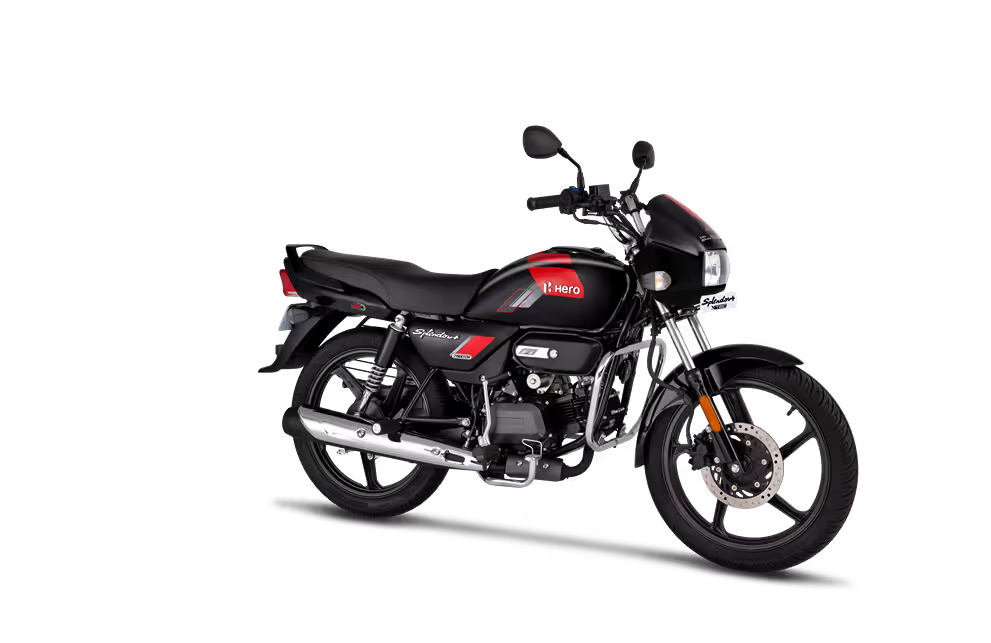
₹82,000 (ex-showroom) | 97.2cc | Real-world mileage: 54–60 km/l
The Splendor Plus XTEC bridges the gap between a basic commuter and a feature-loaded daily rider. It carries over the Splendor's legendary low-cost ownership — Hero's 6,000+ service network, sub-₹800 full services, and best-in-class resale value — while adding a front disc brake, Bluetooth connectivity, LED headlamp, semi-digital cluster, and USB charging. For most buyers upgrading from a base Splendor, the XTEC is the natural destination.
The 97.2cc engine is unchanged from the base Splendor Plus — unhurried, economical, and utterly reliable. Real-world mileage drops marginally (by 1–2 km/l) due to LED loads, but remains competitive in its class. The front disc brake is the single most impactful safety addition over the base model.
Pros
- Front disc brake — significant safety upgrade over base Splendor
- Bluetooth, USB charging, LED headlamp — most features in commuter class
- Hero's 6,000+ service network and cheapest parts
- Strongest resale value in the segment
Cons
- Same 97.2cc engine — no performance upgrade over base
- Bluetooth features basic vs. smartphone integration
- Highest price in commuter category
Who should buy: Daily commuters who want the safety of a disc brake, modern features, and Hero's unmatched ownership cost — all under ₹85,000.
View Full Specs & On-Road Price
Hero Glamour
125cc Commuter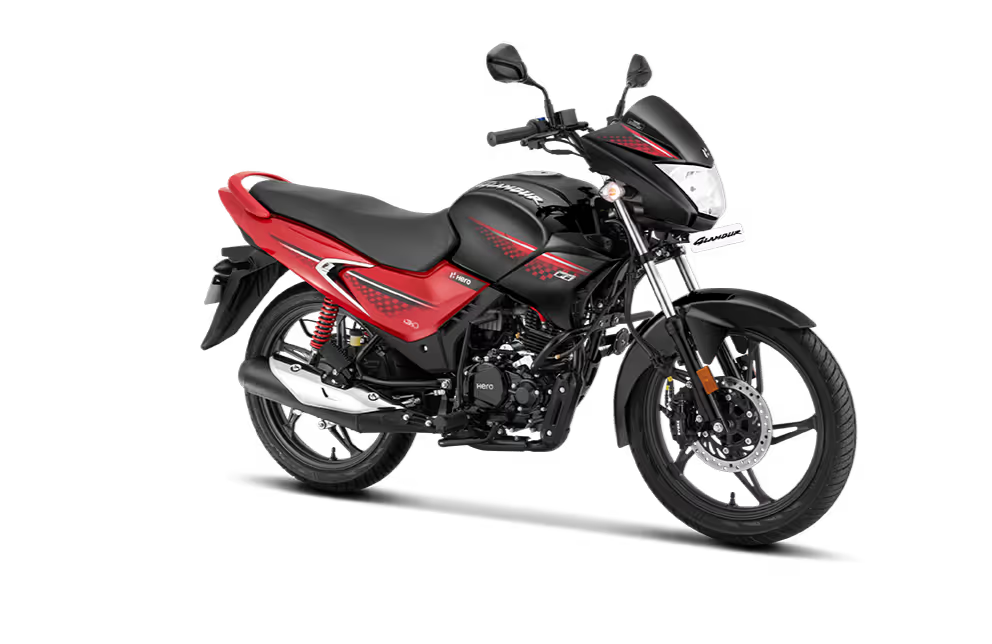
₹85,000 (ex-showroom) | 124.7cc | Real-world mileage: 55–63 km/l
The Hero Glamour is the commuter for riders who have outgrown the 100cc class but aren't ready to move to a performance motorcycle. Its 124.7cc fuel-injected engine is noticeably smoother and more responsive than the Splendor's 97cc unit, and it handles 60–70 km/h highway stretches with considerably less strain. The i3S (Idle Start-Stop System) helps maintain mileage in heavy city traffic — a genuinely useful real-world feature.
Bluetooth connectivity, a fully digital cluster, LED headlamp, and alloy wheels are standard. Hero's full service network and competitive parts pricing make it one of the lowest-cost 125cc bikes to maintain. Resale value is strong — second only to the Splendor in Hero's lineup.
Pros
- Smooth FI 124.7cc engine — more confident on highways than 100cc bikes
- i3S idle start-stop improves city mileage
- Bluetooth, fully digital cluster, LED headlamp standard
- Hero service network — best rural coverage of any 125cc
Cons
- Styling conservative — not a head-turner
- Not as sporty as Honda SP 125 or TVS Raider 125
- i3S can feel intrusive in start-stop traffic for some riders
Who should buy: Commuters in rural or semi-urban areas who want a 125cc upgrade with Hero's service depth, or anyone stepping up from a 100cc Hero bike.
View Full Specs & On-Road Price
Honda SP 125
125cc Refined
₹95,000 (ex-showroom) | 123.94cc | Real-world mileage: 60–65 km/l
The Honda SP 125 is widely regarded as the benchmark 125cc commuter in India — and for good reason. Its OBD2-compliant fuel-injected engine is the smoothest, least-vibration unit in the class, delivering 60–65 km/l real-world mileage with a refinement level that the SP 125's rivals struggle to match. Honda's engineering philosophy is evident in every aspect: tight panel fit, consistent paint quality, and an engine that sounds clean for longer between services.
The LED headlamp, fully digital instrument cluster, Bluetooth connectivity (on select variants), alloy wheels, and front disc brake complete a package that looks premium but costs under ₹1 lakh. Honda's 4,500+ service centres handle the ownership experience — slightly fewer than Hero in rural India, but rarely a problem in tier-1 and tier-2 cities.
Pros
- Best engine refinement in 125cc class — least vibration
- 60–65 km/l real-world mileage — class-leading efficiency
- Tight build quality and paint durability
- Strong Honda resale value in urban markets
Cons
- Smaller rural service network than Hero
- Parts slightly more expensive than Hero
- Conservative styling — not sporty-looking
Who should buy: City and tier-1 riders who want the best-built, smoothest 125cc available and ride 30–50 km daily. The SP 125 suits anyone who values refinement and long-term reliability over sporty styling.
View Full Specs & On-Road Price
TVS Raider 125
125cc Feature-Sport
₹98,000 (ex-showroom) | 124.8cc | Real-world mileage: 55–62 km/l
The TVS Raider 125 is the feature-per-rupee champion of the 125cc segment. It packs in more equipment than any competitor at this price: a full-colour TFT display (on top variant), Bluetooth with turn-by-turn navigation alerts, USB Type-C charging, LED headlamp with DRL, sporty body panels, and a ride modes setup — Street and Rain. The 124.8cc engine is punchy for its displacement, making city riding noticeably more engaging than the smoother but more reserved SP 125.
TVS's service network in metro and tier-1 cities is solid and expanding. The Raider's bold styling targets younger buyers, and it largely delivers — this is one of the best-looking 125cc bikes in the market.
Pros
- Most features in 125cc segment — TFT display, ride modes, USB-C
- Punchy, engaging engine character for city riding
- Bold, genuinely modern styling
- Competitive mileage for the displacement
Cons
- Smaller service network than Hero in rural areas
- Lower resale than Honda and Hero
- TFT and full feature pack only on top variant — price steps up
Who should buy: Younger urban riders who want the most feature-loaded 125cc under ₹1 lakh and care about styling and connectivity as much as mileage.
View Full Specs & On-Road Price
Bajaj Pulsar N125
125cc Sport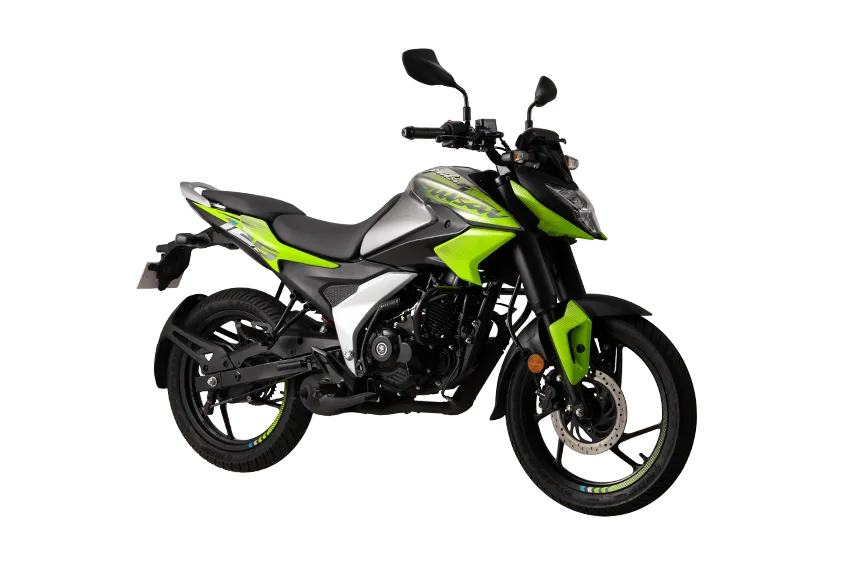
₹93,000 (ex-showroom) | 124.45cc | Real-world mileage: 52–58 km/l
Bajaj brought the Pulsar design language — aggressive N-series naked styling, muscular tank, split seat — down to 125cc with the Pulsar N125. The result is the best-looking 125cc in this guide by a wide margin. If your primary concern is that your bike looks like a motorcycle and not an appliance, the N125 makes the strongest case in its class.
The 124.45cc FI engine is peppy, and the front disc brake is standard. Bajaj's service network is wide enough in urban areas. The trade-off is mileage — at 52–58 km/l, it returns the lowest efficiency of the 125cc bikes here — and build finish is a step behind Honda.
Pros
- Best styling in the 125cc segment — genuine Pulsar N-series look
- Front disc brake standard
- Peppy FI engine — engaging character
- Lowest price among modern sporty 125cc options
Cons
- Lowest mileage in the 125cc group here at 52–58 km/l
- Build quality a notch below Honda SP 125
- Weaker resale than Hero and Honda
Who should buy: Young riders who want the Pulsar look and character at the lowest possible price. Ideal if sporty aesthetics matter more than fuel efficiency.
View Full Specs & On-Road Price
Hero Xtreme 125R
125cc Sport
₹95,000 (ex-showroom) | 124.7cc | Real-world mileage: 52–57 km/l
The Hero Xtreme 125R is Hero's most aggressive 125cc, designed specifically to compete with sporty rivals like the Pulsar N125 and Raider 125. The full-LED lighting, digital instrument cluster, sporty body kit, and split-seat design give it a look that's more in line with a 160cc naked than a typical 125cc commuter. Hero has equipped it with a front disc brake and rear drum as standard.
Critically, the Xtreme 125R retains access to Hero's 6,000+ service network — the single largest advantage it holds over all other sporty 125cc bikes. If you want sporty styling without sacrificing Hero's rural service depth, this is your only option in the 125cc class.
Pros
- Sporty styling — most aggressive-looking Hero 125cc
- Hero's full 6,000+ service network — unmatched rural coverage
- Front disc brake standard
- Full-LED lighting and digital cluster
Cons
- Mileage lower than Honda SP 125 and Hero Glamour
- Engine less refined than Honda SP 125
- No TFT or ride modes like the TVS Raider
Who should buy: Buyers who want a sporty-looking 125cc but live in a semi-urban or rural area where Hero's service depth matters. The only sporty 125cc with Hero's network behind it.
View Full Specs & On-Road Price
Bajaj Pulsar 150
150cc Sport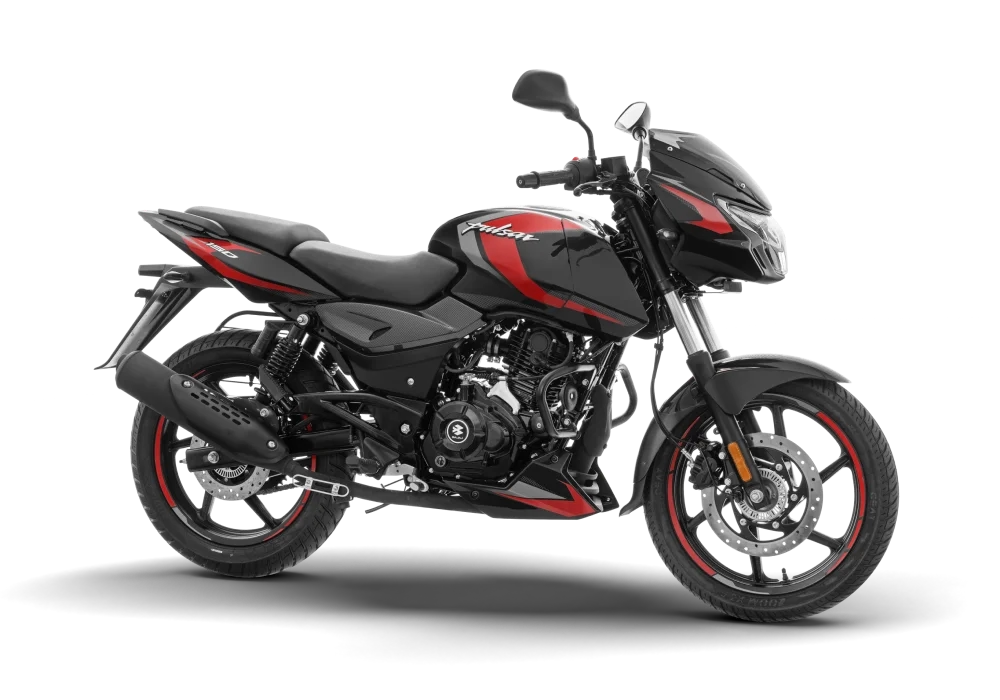
₹1,05,000 (ex-showroom) | 149.5cc | Real-world mileage: 45–52 km/l
The Bajaj Pulsar 150 has been in production for over two decades, and it earns its place on this list through sheer breadth of ownership data. Millions of units on Indian roads means that your local mechanic — not just Bajaj authorised dealers — knows this engine inside out. Parts are available everywhere, costs are predictable, and long-term reliability is well documented.
The 149.5cc air-cooled engine is comfortable at 70–80 km/h — meaningful headroom over the 125cc class — and the front disc brake provides confidence in urban traffic. It's not the most refined bike in this guide, and mileage of 45–52 km/l is the compromise you make for the step up in displacement. But for a first 150cc buyer who values proven reliability over cutting-edge features, the Pulsar 150 remains a deeply rational choice.
Pros
- 20+ years of proven reliability — widest knowledge base
- Parts available at virtually every mechanic in India
- Comfortable 70–80 km/h cruising — real highway ability
- Front disc brake standard on most variants
Cons
- Carburetted (no FI) — cold start and mileage consistency below modern rivals
- No digital cluster, no Bluetooth
- Weaker resale than Hero and Honda in this displacement
Who should buy: First-time 150cc buyers who want a proven, predictable ownership experience and ride in areas where service infrastructure matters. Also ideal if you want the lowest possible maintenance cost in the 150cc class.
View Full Specs & On-Road Price
Bajaj Pulsar N160
160cc Sport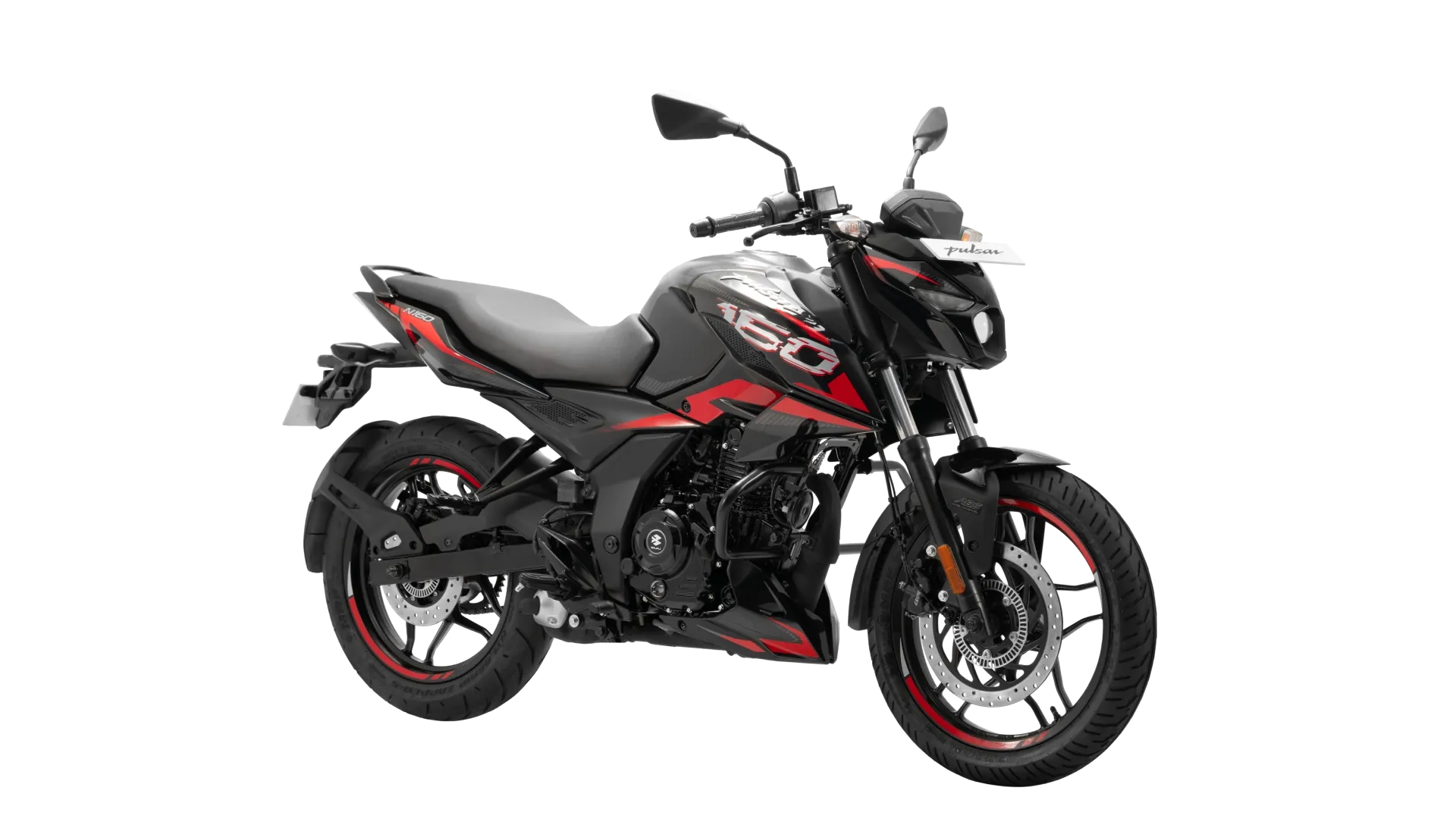
₹1,25,000 (ex-showroom) | 164.82cc | Real-world mileage: 42–50 km/l
The Bajaj Pulsar N160 is the modern evolution of the Pulsar 150 — fuel-injected, disc-braked front and rear, and wearing the aggressive N-series naked body that made the NS200 a favourite. It's the Pulsar for buyers who want the brand's character but refuse the old carburetted setup. The 164.82cc FI single is responsive from low revs, pulls cleanly to 90+ km/h, and starts reliably in cold weather — all improvements the Pulsar 150 couldn't claim.
The semi-digital cluster is functional without being class-leading, and Bajaj's service network is comprehensive in urban areas. Resale trails Hero and Honda, but the N160 is the best-value modern naked at this price point.
Pros
- FI engine — clean power, consistent mileage, good cold starts
- Dual disc brakes — front and rear disc standard
- Aggressive N-series naked styling
- Pulls confidently to 90+ km/h — real highway ability
Cons
- Mileage drops to 42–50 km/l — higher running cost than 125cc
- Weaker resale than Honda and Hero
- No Bluetooth or TFT at this price
Who should buy: Buyers moving up from a 125cc or Pulsar 150 who want a modern, fuel-injected 160cc with sporty credentials and real highway capability.
View Full Specs & On-Road Price
TVS Apache RTR 160 4V
160cc Performance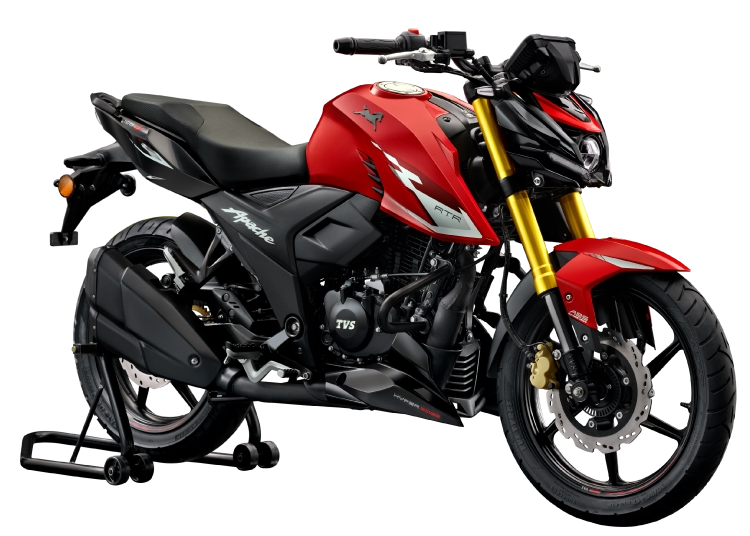
₹1,25,000 (ex-showroom) | 159.7cc | Real-world mileage: 40–48 km/l
The TVS Apache RTR 160 4V is the most performance-focused 160cc in this guide. Its 4-valve engine produces the highest power output in the sub-160cc segment, and the Race and Urban ride modes — paired with a slipper clutch — give it a track-derived character that no Pulsar or Honda can match at this price. The SmartXonnect Bluetooth system is the most advanced connectivity suite in the 160cc class, offering turn-by-turn navigation, call alerts, and performance telemetry.
It's also the most demanding bike to ride comfortably in heavy traffic: the sportier riding position, stiffer suspension, and more aggressive power delivery suit riders who enjoy weekend roads as much as weekday commutes.
Pros
- Highest power in 160cc segment — most performance-focused
- Race + Urban ride modes with slipper clutch
- SmartXonnect Bluetooth — best connectivity in 160cc class
- Aggressive styling with track-racing DNA
Cons
- Lowest mileage in this guide at 40–48 km/l
- Sportier ergonomics less suited to pure daily commuting
- Lower resale than Hero and Honda
- Smaller rural service network than Hero
Who should buy: Performance-oriented riders in urban areas who want the most capable 160cc available and split their riding between daily commutes and weekend sport riding.
View Full Specs & On-Road Price
Honda SP160
160cc Refined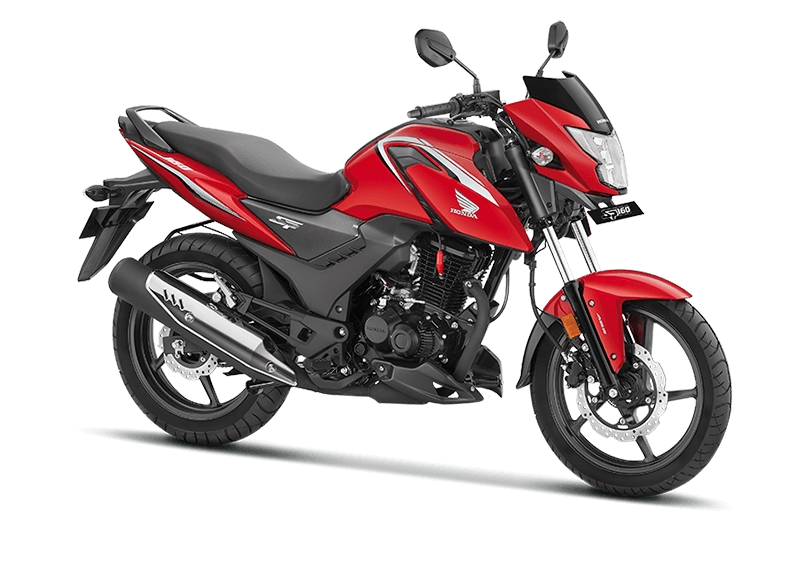
₹1,25,000 (ex-showroom) | 162.71cc | Real-world mileage: 45–53 km/l
The Honda SP160 applies the same philosophy as the SP 125 to the 160cc class: a smooth, refined, fuel-efficient engine with Honda's characteristic build quality and paint durability. It's not the most exciting 160cc on paper — no ride modes, no slipper clutch — but it is the most refined, and mileage of 45–53 km/l makes it the most economical 160cc in this guide by a meaningful margin.
Honda's OBD2-compliant FI engine starts cleanly in any weather and maintains consistent performance across temperatures. The front disc brake, LED headlamp, and semi-digital cluster complete a package that's understated but genuinely well-executed. For riders who put in long daily distances and want the lowest running cost in the 160cc class, the SP160 is the financially smartest choice.
Pros
- Best mileage in 160cc class at 45–53 km/l
- Smoothest engine in the 160cc segment — least vibration
- Honda build quality and paint durability
- Strong resale in urban markets
Cons
- No ride modes or slipper clutch
- Styling conservative — less sporty than Apache or NS160
- Smaller rural service network than Hero
Who should buy: City riders who want the most refined, economical 160cc available — particularly those covering 40+ km daily where fuel costs add up.
View Full Specs & On-Road Price
Bajaj Pulsar NS160
160cc Naked Sport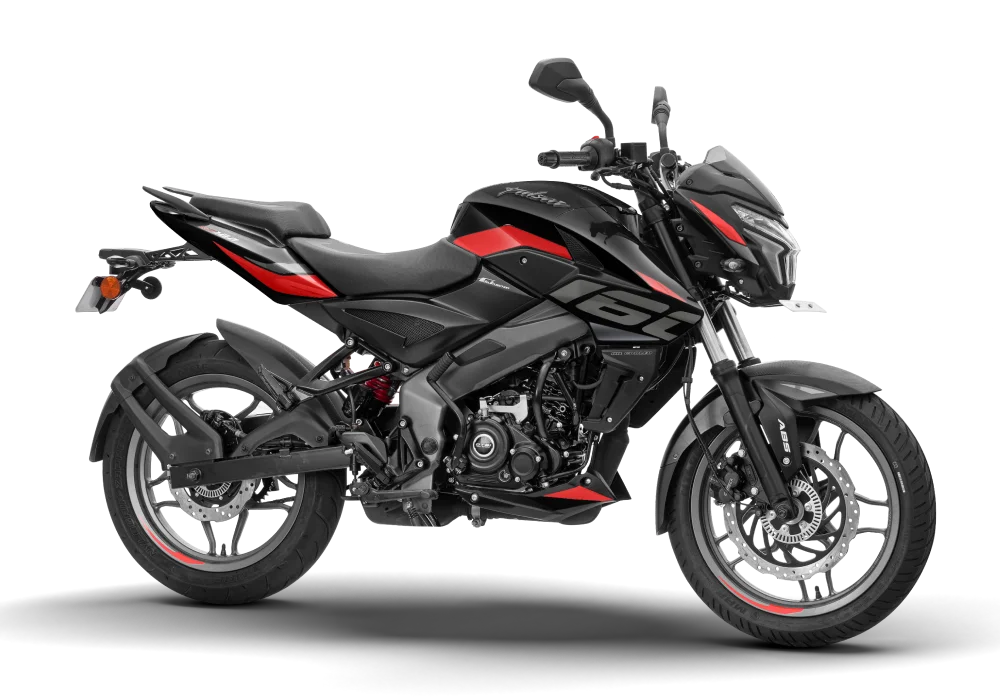
₹1,30,000 (ex-showroom) | 164.82cc | Real-world mileage: 40–48 km/l
The Bajaj Pulsar NS160 brings NS200-inspired styling — perimeter frame, muscular tank, under-belly exhaust — to an accessible 160cc price point. It's the most aggressive-looking 160cc in this guide and one of the best-value naked sports in India. The FI engine, twin disc brakes, and semi-digital cluster make it a well-specified package for the price.
The perimeter frame genuinely improves handling over the older Pulsar 150's chassis — the NS160 is noticeably more planted in corners. For riders who value the NS aesthetic and riding dynamics but can't stretch to the NS200, this is the logical buy.
Pros
- NS200-inspired styling — most aggressive 160cc look
- Perimeter frame — better handling dynamics than conventional frame
- Dual disc brakes front and rear
- FI engine with strong mid-range performance
Cons
- 40–48 km/l — lower mileage than Honda SP160
- Weaker resale than Hero and Honda rivals
- Sportier ergonomics may fatigue on long daily commutes
Who should buy: Riders who want the NS200 experience at a lower price point — particularly those who value handling and aggressive aesthetics over commuter practicality.
View Full Specs & On-Road Price
Hero Xtreme 160R
160cc Sport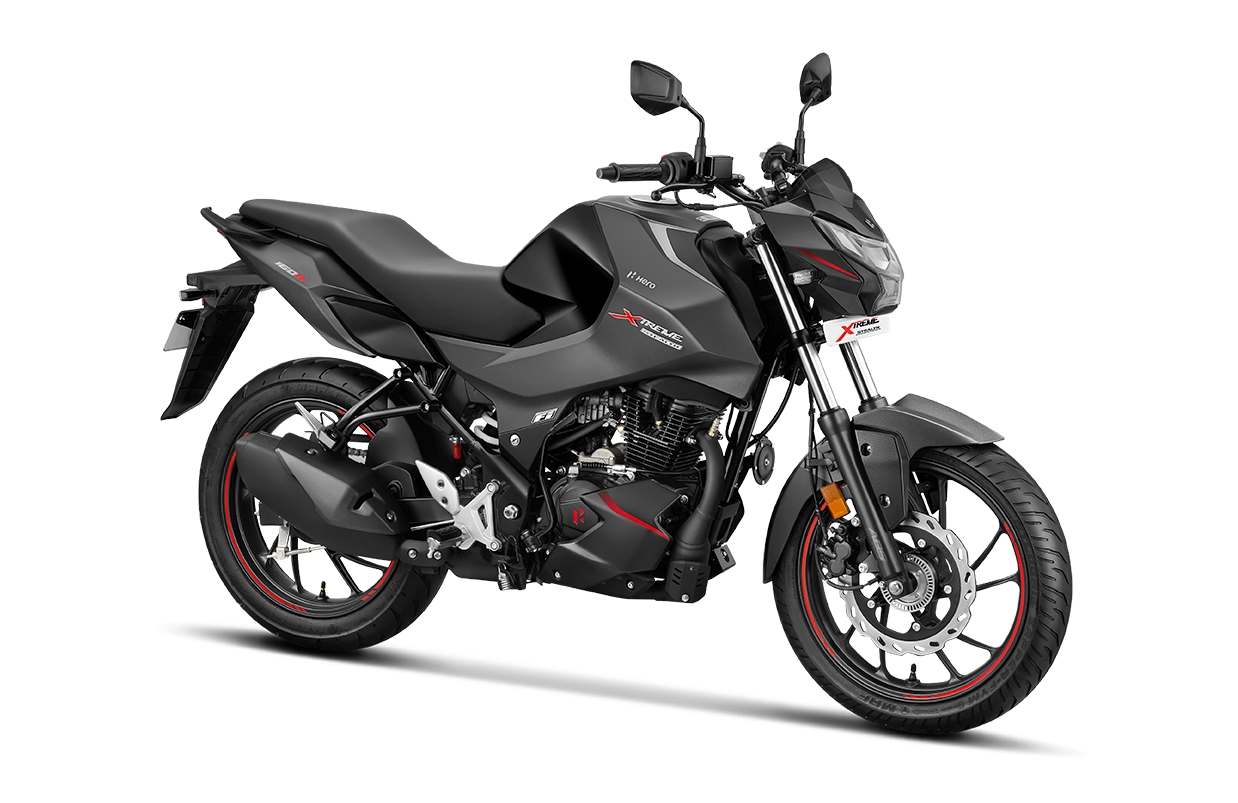
₹1,20,000 (ex-showroom) | 163cc | Real-world mileage: 43–50 km/l
The Hero Xtreme 160R is Hero's most capable performance motorcycle in this price range and the only sporty 160cc in this guide backed by Hero's 6,000+ service network. The 163cc oil-cooled FI engine delivers competitive power with oil cooling for longer engine life, and the fully digital cluster, LED lighting, front disc brake, and alloy wheels make it a well-rounded package.
It doesn't match the Apache RTR 160 4V for outright performance or the NS160 for styling aggression, but it offers something neither can: Hero's unmatched rural service depth at a competitive price. If you live outside a metro and want a sporty 160cc, the Xtreme 160R is the only rational choice.
Pros
- Only sporty 160cc backed by Hero's full service network
- Oil-cooled FI engine — better thermal management
- Competitive pricing among 160cc sport bikes
- Digital cluster and LED lighting standard
Cons
- Less performance than Apache RTR 160 4V
- Less aggressive styling than NS160
- No rear disc on base variant
Who should buy: Semi-urban and rural riders who want a sporty 160cc with the confidence of Hero's service network and long-term parts availability.
View Full Specs & On-Road Price
Yamaha FZ-S Fi V4
Premium Street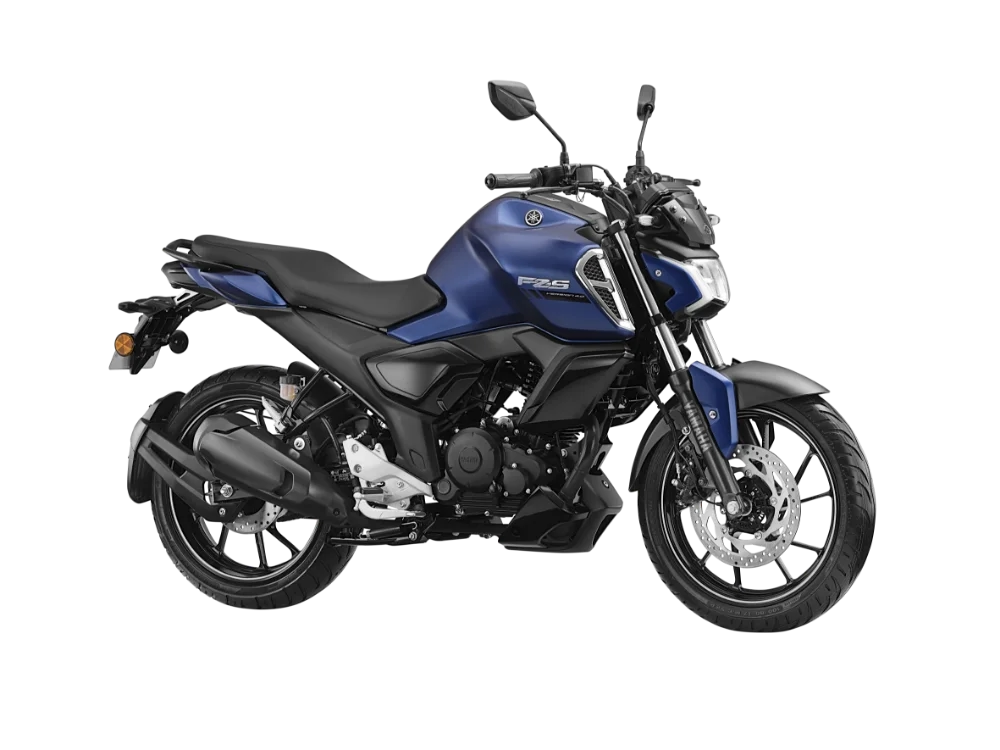
₹1,25,000 (ex-showroom) | 149cc | Real-world mileage: 42–50 km/l
The Yamaha FZ-S Fi V4 is the premium street naked that punches well above its displacement. Yamaha has refined the FZ over four generations into one of the most well-rounded commuter-sport motorcycles in India — one that looks and feels considerably more expensive than its sticker price. The 149cc FI engine is smooth, linear, and genuinely fun to ride, with a character that makes both slow city riding and open road cruising equally satisfying.
Build quality is class-leading for the price — Yamaha's fit and finish, paint quality, and long-term durability are consistent with the brand's reputation for engineering precision. The Y-Connect Bluetooth system links with your smartphone for call and navigation notifications. Resale value in urban markets is among the strongest in the 150cc segment — Honda being its only real competition.
Pros
- Best build quality and fit-finish in this guide
- Smooth, refined 149cc FI engine — versatile character
- Y-Connect Bluetooth connectivity
- Strong urban resale value — comparable to Honda
- Premium feel well above its price bracket
Cons
- Yamaha service network thinner than Hero in rural areas
- Drum rear brake on base variant
- Less raw performance than TVS Apache RTR 160 4V
Who should buy: Urban riders who want the most premium-feeling motorcycle under ₹1.3L. The FZ-S V4 is the bike that surprises you with how good it feels — every single day.
View Full Specs & On-Road Price
Suzuki Gixxer
Premium Street Naked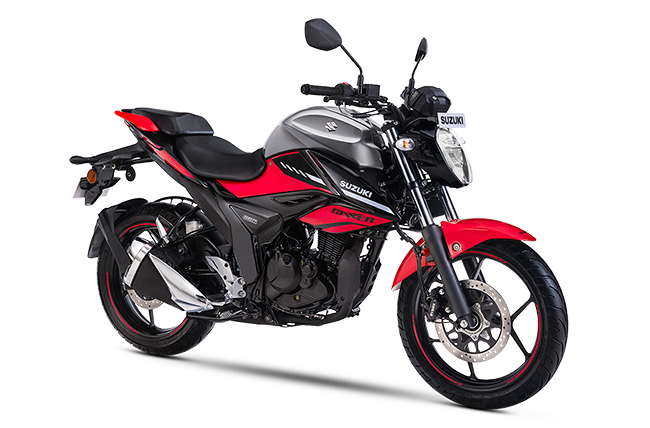
₹1,35,000 (ex-showroom) | 154.9cc | Real-world mileage: 40–47 km/l
The Suzuki Gixxer is the most balanced naked street in this price range — not the most powerful, not the most feature-loaded, but arguably the most satisfying to ride day to day. The 154.9cc FI engine's powerband is broad and predictable, the chassis is light and responsive, and Suzuki's SEP (Suzuki Eco Performance) technology keeps fuel consumption competitive despite the larger displacement.
The Gixxer has been a consistent recommendation in its segment because it doesn't have a single bad quality — it does everything well. Build quality is excellent, the ride quality is balanced, and it looks genuinely good in person. Suzuki's service network in tier-1 and tier-2 cities is solid, though notably thinner in rural areas.
Pros
- Most balanced ride character — handles everything well
- Lightweight chassis — easy to manoeuvre in traffic
- SEP technology keeps mileage competitive for the displacement
- Excellent build quality — Suzuki engineering standards
Cons
- Suzuki service network thinner than Hero in rural areas
- No Bluetooth connectivity
- Lower resale than Yamaha FZ-S in urban markets
Who should buy: Experienced riders who want the most well-rounded naked street under ₹1.4L and appreciate a balanced, confidence-inspiring ride over outright performance.
View Full Specs & On-Road Price
Suzuki Gixxer SF
Premium Faired Sport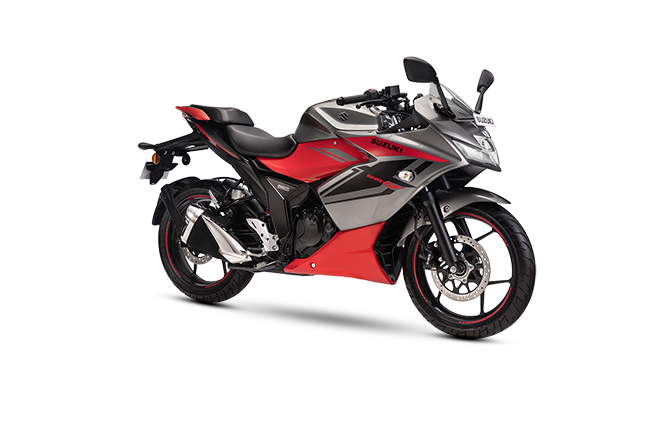
₹1,45,000 (ex-showroom) | 154.9cc | Real-world mileage: 38–45 km/l
The Suzuki Gixxer SF is the faired version of the Gixxer — same engine, same chassis, same balanced character, but wrapped in a half-fairing that meaningfully reduces wind buffeting at highway speeds. For riders who regularly hit 80–100 km/h on expressways, the fairing is not just aesthetic: it reduces rider fatigue on sustained runs. The SF's styling is sharper and more premium-looking than most bikes in this guide at any price.
At ₹1,45,000 it sits near the top of this guide's budget, but it represents strong value for a fully-faired sport motorcycle with Suzuki's engineering quality. Fuel-injected, front disc standard, and available in dual-channel ABS on select variants.
Pros
- Half-fairing reduces wind blast — noticeably better at highway speeds
- Premium sport styling — best-looking faired bike under ₹1.5L
- Same reliable, balanced Gixxer engine and chassis
- Dual-channel ABS available
Cons
- Higher price — close to ₹1.5L ceiling
- Slightly less nimble in traffic than naked Gixxer
- Suzuki service network thinner than Hero in rural areas
Who should buy: Riders who regularly use highways or expressways and want the sportiest-looking, most highway-capable bike this guide can offer — without crossing ₹1.5L.
View Full Specs & On-Road Price
Side-by-Side Comparison
All 15 bikes compared across the factors that matter most to real-world buyers.
| Bike | Price (ex-show.) | Engine | Mileage (city) | Segment | Best For | Weakest Point |
|---|---|---|---|---|---|---|
| Hero Splendor Plus XTEC | ₹82,000 | 97.2cc | 54–60 km/l | Commuter | Features + lowest running cost | No performance upgrade |
| Hero Glamour | ₹85,000 | 124.7cc | 55–63 km/l | 125cc Commuter | Rural 125cc with Hero network | Conservative styling |
| Bajaj Pulsar N125 | ₹93,000 | 124.45cc | 52–58 km/l | 125cc Sport | Sporty styling at lowest cost | Lowest 125cc mileage here |
| Honda SP 125 | ₹95,000 | 123.94cc | 60–65 km/l | 125cc Refined | Smoothest, most efficient 125cc | Rural service coverage |
| Hero Xtreme 125R | ₹95,000 | 124.7cc | 52–57 km/l | 125cc Sport | Sporty 125cc + Hero network | Less refined than SP 125 |
| TVS Raider 125 | ₹98,000 | 124.8cc | 55–62 km/l | 125cc Feature-Sport | Most features in 125cc | Smaller rural network |
| Bajaj Pulsar 150 | ₹1,05,000 | 149.5cc | 45–52 km/l | 150cc Sport | Proven 150cc reliability | No FI, no digital cluster |
| Hero Xtreme 160R | ₹1,20,000 | 163cc | 43–50 km/l | 160cc Sport | Sporty 160cc + Hero network | Less performance than Apache |
| Honda SP160 | ₹1,25,000 | 162.71cc | 45–53 km/l | 160cc Refined | Best 160cc mileage + refinement | No ride modes |
| Bajaj Pulsar N160 | ₹1,25,000 | 164.82cc | 42–50 km/l | 160cc Sport | Modern FI Bajaj under ₹1.3L | Weaker resale |
| TVS Apache RTR 160 4V | ₹1,25,000 | 159.7cc | 40–48 km/l | 160cc Performance | Most performance in 160cc | Lowest mileage, rural coverage |
| Yamaha FZ-S Fi V4 | ₹1,25,000 | 149cc | 42–50 km/l | Premium Street | Best overall — build + refinement | Rural service coverage |
| Bajaj Pulsar NS160 | ₹1,30,000 | 164.82cc | 40–48 km/l | 160cc Naked Sport | NS200 styling under ₹1.3L | Mileage + resale |
| Suzuki Gixxer | ₹1,35,000 | 154.9cc | 40–47 km/l | Premium Naked | Most balanced all-rounder | No Bluetooth |
| Suzuki Gixxer SF | ₹1,45,000 | 154.9cc | 38–45 km/l | Premium Faired | Best faired sport under ₹1.5L | Highest price here |
Real-World Mileage Ranking
ARAI figures are measured under controlled conditions. Real-world mileage in Indian city traffic is consistently 10–15% lower. All figures below are from owner forums and real-world riding data — not ARAI claims.
| # | Bike | Displacement | City Mileage | Highway Peak |
|---|---|---|---|---|
| 1 | Honda SP 125 | 123.94cc | 60–65 km/l | ~68 km/l |
| 2 | Hero Glamour | 124.7cc | 55–63 km/l | ~66 km/l |
| 3 | Hero Splendor Plus XTEC | 97.2cc | 54–60 km/l | ~64 km/l |
| 4 | TVS Raider 125 | 124.8cc | 55–62 km/l | ~65 km/l |
| 5 | Bajaj Pulsar N125 | 124.45cc | 52–58 km/l | ~62 km/l |
| 6 | Hero Xtreme 125R | 124.7cc | 52–57 km/l | ~60 km/l |
| 7 | Honda SP160 | 162.71cc | 45–53 km/l | ~56 km/l |
| 8 | Bajaj Pulsar 150 | 149.5cc | 45–52 km/l | ~55 km/l |
| 9 | Hero Xtreme 160R | 163cc | 43–50 km/l | ~54 km/l |
| 10 | Yamaha FZ-S Fi V4 | 149cc | 42–50 km/l | ~54 km/l |
| 11 | Bajaj Pulsar N160 | 164.82cc | 42–50 km/l | ~53 km/l |
| 12 | TVS Apache RTR 160 4V | 159.7cc | 40–48 km/l | ~52 km/l |
| 13 | Bajaj Pulsar NS160 | 164.82cc | 40–48 km/l | ~52 km/l |
| 14 | Suzuki Gixxer | 154.9cc | 40–47 km/l | ~50 km/l |
| 15 | Suzuki Gixxer SF | 154.9cc | 38–45 km/l | ~50 km/l |
Service & Maintenance Costs
Typical servicing costs across major Indian cities (April 2026, based on authorised dealer quotes). Prices vary between cities and service types:
- Basic service (oil change + filters): ₹500–₹900
- Standard periodic service (every 3,000 km): ₹700–₹1,200
- Major service with parts (every 10,000 km): ₹1,500–₹2,800
- Brake pad replacement (disc): ₹400–₹800
- Chain and sprocket set: ₹800–₹1,800
- Tyre replacement (MRF/CEAT): ₹1,200–₹1,800 per tyre
Hero models remain the cheapest to service. Honda costs slightly more but service intervals can be longer. Yamaha and Suzuki cost meaningfully more per service visit but compensate with lower breakdown frequency. TVS and Bajaj fall in the middle.
Key Buying Factors to Consider
- Daily commute distance: Under 20 km/day — any bike here works. 20–40 km — lean towards SP 125 or FZ-S for the best ride quality. Over 40 km on highways — consider the Gixxer SF or SP160.
- Service location: Outside a tier-1 city? Hero's network (Splendor XTEC, Glamour, Xtreme 125R/160R) is the safest long-term choice. Metro and tier-1? Every brand is accessible.
- Riding purpose: Pure commuter — SP 125 or Glamour. Weekend roads + commuting — FZ-S V4 or Gixxer. Highway touring — Gixxer SF. Performance + track days — Apache RTR 160 4V.
- Resale priority: Planning to sell within 3 years? Hero and Honda hold value best. Yamaha is competitive in cities. Bajaj and TVS depreciate fastest.
- Pillion riding: Regular two-up? The SP 125, Glamour, and Honda SP160 have the most practical pillion setup. Sportier bikes (NS160, Apache) are less comfortable for passengers.
- Features vs fundamentals: Want Bluetooth, TFT, ride modes? TVS Raider 125 or Apache RTR 160 4V. Want reliability and build quality over gadgets? Honda SP 125 or Yamaha FZ-S V4.
When You Should Skip This Segment
Don't buy in the ₹1–1.5L range if: you regularly tour long distances (300+ km days), carry heavy loads, or want genuine highway performance above 100 km/h. Most 160cc bikes here are comfortable at 80–90 km/h but feel strained beyond that for sustained periods.
In that case, stretching to ₹1.5–2L for a 200–250cc motorcycle — the Bajaj Pulsar NS200, Hero Xtreme 160R 4V, or TVS Apache RTR 200 4V — will transform your riding experience. The difference in real-world capability at 100+ km/h is substantial.
Alternatives Worth Considering (₹1.5–2 Lakh)
If your budget can stretch, these 200–250cc bikes offer substantially better highway performance:
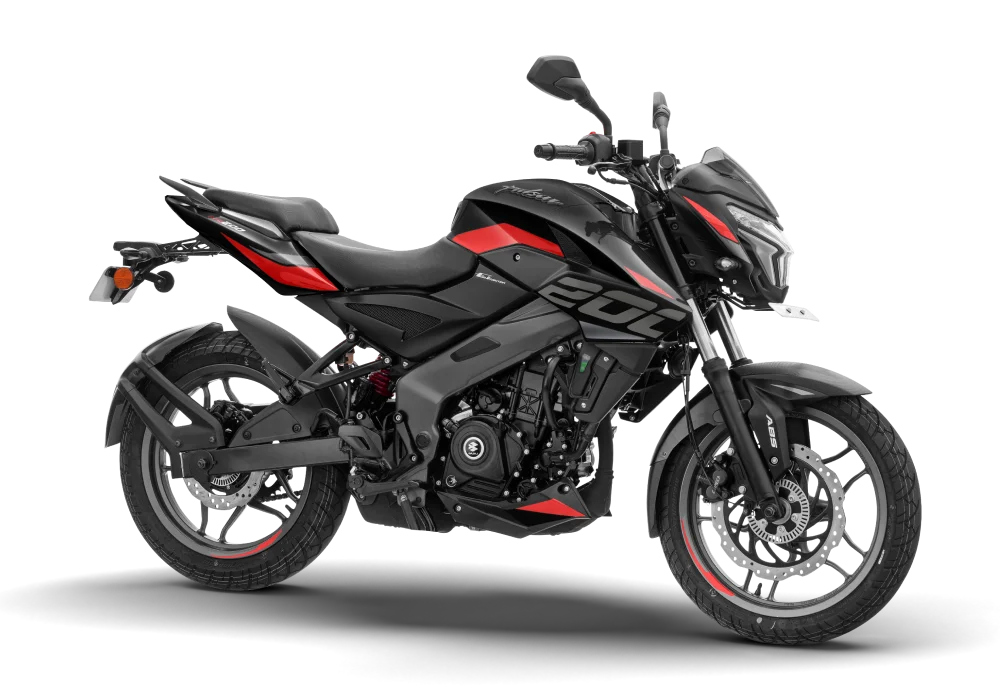
Bajaj Pulsar NS200
Liquid-cooled 200cc, FI, dual disc. Significantly more capable at highway speeds with NS series styling.
View specs →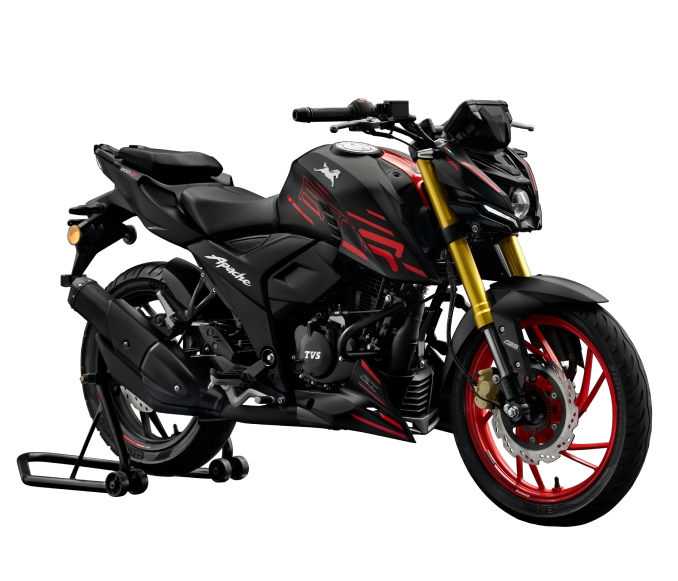
TVS Apache RTR 200 4V
Race-DNA performance, Bluetooth, ride modes. The most track-focused sub-₹2L bike in the market.
View specs →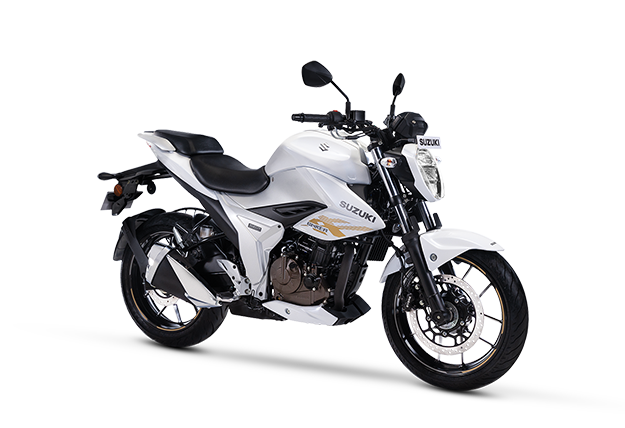
Suzuki Gixxer 250
Oil-cooled 250cc single with Suzuki's characteristic balance and build quality. Most refined sub-₹2L naked.
View specs →Final Verdict
The ₹1–1.5 lakh segment is arguably the best value bracket in Indian motorcycling. You get fuel injection, disc brakes, digital displays, Bluetooth connectivity, and genuine performance — features that were reserved for much more expensive bikes just a decade ago.
For most buyers, the Yamaha FZ-S Fi V4 is the single best recommendation in this guide. Its build quality, refinement, urban resale value, and all-round character place it a level above its price would suggest. If budget is tighter, the Honda SP 125 is the benchmark 125cc — smoothest engine, best mileage, Honda reliability.
For sporty character on a tighter budget, the Bajaj Pulsar N125 is the best-looking 125cc in this guide. For performance in the 160cc class, the TVS Apache RTR 160 4V stands apart with ride modes and slipper clutch. For highway comfort, the Suzuki Gixxer SF's fairing justifies its near-ceiling price.
If serviceability outside a major city is your priority, Hero's lineup — the Splendor Plus XTEC, Glamour, Xtreme 125R, and Xtreme 160R — offer the most secure long-term ownership in rural and semi-urban India. No other brand comes close on service depth.
Take a test ride before you buy. The difference in ergonomics, seat height, and handlebar reach between a sportier 160cc and a commuter-focused 125cc is significant — and your preference on day one usually reflects your satisfaction at month twelve.
Frequently Asked Questions
Which is the best overall bike under ₹1.5 lakh in India?
The Yamaha FZ-S Fi V4 is our top pick. Its combination of build quality, refined engine, Y-Connect Bluetooth, and strong urban resale value makes it the most well-rounded option in this guide. If you want a 125cc instead, the Honda SP 125 is the benchmark in its class.
Which bike has the best mileage under ₹1.5 lakh?
The Honda SP 125 delivers the best real-world mileage at 60–65 km/l in city conditions. The Hero Glamour is close behind at 55–63 km/l. Among 160cc bikes, the Honda SP160 leads with 45–53 km/l — meaningfully better than its Apache and NS160 competitors.
FZ-S V4 vs Apache RTR 160 4V — which should I choose?
Choose the Yamaha FZ-S V4 if you want the better-built, more refined daily ride with strong resale value. Choose the TVS Apache RTR 160 4V if you want maximum performance, ride modes, slipper clutch, and race-derived technology — and are willing to accept lower mileage and resale.
Is a 160cc bike good for highway riding?
160cc bikes are comfortable at 70–90 km/h on highways — adequate for state highway riding. For sustained expressway use at 100+ km/h, they can feel strained. If your commute regularly includes long highway stretches, consider the Gixxer SF (fairing helps above 80 km/h) or stretch your budget to a 200–250cc motorcycle for genuine highway comfort.
Which brand has the best service network in this segment?
Hero MotoCorp has the widest network with 6,000+ authorised service points — unmatched in rural and semi-urban India. Honda is second with 4,500+. Bajaj and TVS are adequate in urban areas. Yamaha and Suzuki are strong in metros but noticeably thinner beyond tier-2 cities.
Pulsar N160 vs Hero Xtreme 160R — which is better?
The Pulsar N160 offers more sporty styling, dual disc brakes, and a slightly more powerful engine. The Hero Xtreme 160R gives you Hero's service network and better rural support. If you're in a city, the N160 makes more sense. If you're outside a metro, the Xtreme 160R's service depth is the decisive advantage.
What is the approximate EMI for bikes in this range?
At 10% down payment and 24-month tenure at ~10.5% interest rate, EMIs range from roughly ₹3,500–₹6,000/month depending on the bike's price. For the Honda SP 125 at ₹95,000, expect around ₹4,000–₹4,300/month. For the Suzuki Gixxer SF at ₹1,45,000, expect around ₹5,800–₹6,200/month. Always compare offers from at least two lenders.
Which bike holds its resale value best under ₹1.5 lakh?
Hero bikes retain the best resale in the commuter/125cc class. In the 150–160cc segment, Yamaha (FZ-S V4) and Honda (SP160) hold value best in urban markets — typically 60–68% after three years. Bajaj and TVS sport bikes depreciate faster, retaining around 50–58% after the same period.