Best Bikes for Beginners in India (2026)
This guide is based on real owner forum data, new-rider feedback, dealer service quotes, and independent test rides — not manufacturer claims. Mileage figures reflect typical city riding conditions. Beginner suitability scores are based on a composite of ease of handling, engine friendliness, running cost, and safety features.
Buying your first motorcycle is one of the most consequential two-wheel decisions you'll make. The right beginner bike teaches you to ride well, forgives mistakes, and builds confidence gradually. The wrong one can overwhelm you before you've developed the instincts to manage it.
This guide covers 12 motorcycles across three experience tiers — from approachable 125cc starters to capable 160cc bikes that reward growing skills without punishing small errors. We weigh the factors that matter most to new riders: how forgiving the power delivery is, how easy the bike is to manoeuvre at low speed, how much it costs to run and repair, and what safety features it offers a rider still building their instincts.
Quick Picks — Skip to Your Best Match
- Best 125cc starter overall: Honda SP 125 — FI refinement, best mileage, safest 125cc package
- Best connected starter: TVS Raider 125 — Bluetooth, USB-C, modern feel at ₹84,490
- Best sporty 125cc: Hero Xtreme 125R — sportiest 125cc that's still forgiving to learn on
- Best everyday 125cc: Hero Splendor Plus XTEC 2.0 — Bluetooth, disc, LED in familiar Hero package
- Best 125cc value: Bajaj Pulsar N125 — best performance per rupee in 125cc class
- Best first 160cc: Honda Unicorn — smoothest, most forgiving 160cc for new riders
- Best premium beginner: Yamaha FZ-S Fi V4 — refined, well-built, Y-Connect Bluetooth
- Best sporty step-up: Hero Xtreme 160R — capable 160cc with beginner-friendly power delivery
- Best performance starter: Bajaj Pulsar N160 — most performance headroom as skills grow
- Best 160cc track feel: TVS Apache RTR 160 2V — sporty character, race-bred DNA
- Best mileage 160cc: Honda SP 160 — Honda quality with best-in-class 160cc fuel economy
- Best all-rounder step-up: Suzuki Gixxer — balanced, no-compromise, grows with you
At a Glance — All 12 Bikes Compared
All twelve bikes ranked by beginner suitability across experience tiers.
| Bike | Price (ex-show.) | Engine | City Mileage | Beginner Tier | Beginner Strength |
|---|---|---|---|---|---|
| Honda SP 125 | ₹88,750 | 124cc FI | 60 km/l | 125cc Starter | Best all-round 125cc for new riders |
| TVS Raider 125 | ₹84,490 | 124.8cc | 56–60 km/l | 125cc Starter | Most connected, sporty yet forgiving |
| Hero Xtreme 125R | ₹90,652 | 124.7cc | 60 km/l | 125cc Starter | Sportiest 125cc safe for beginners |
| Hero Splendor Plus XTEC 2.0 | ₹81,060 | 97.2cc | 70 km/l | 125cc Starter | Most accessible, ultra-low running cost |
| Bajaj Pulsar N125 | ₹93,668 | 124.58cc | 60 km/l | 125cc Starter | Best performance value in 125cc class |
| Honda Unicorn | ₹1,12,898 | 162.71cc FI | 50 km/l | 160cc Step-Up | Smoothest, most forgiving 160cc |
| Yamaha FZ-S Fi V4 | ₹1,20,409 | 149cc FI | 60 km/l | 160cc Step-Up | Best build quality, premium feel |
| Hero Xtreme 160R | ₹1,05,667 | 163.2cc | 49.65 km/l | 160cc Step-Up | Capable 160cc, beginner-friendly power |
| Bajaj Pulsar N160 | ₹1,14,840 | 164.82cc | 51.6 km/l | 160cc Step-Up | Most performance headroom as skills grow |
| TVS Apache RTR 160 2V | ₹1,09,036 | 159.7cc | 47 km/l | 160cc Step-Up | Race-inspired character, sporty confidence |
| Honda SP 160 | ₹1,18,311 | 162.7cc FI | 50 km/l | 160cc Step-Up | Best mileage + Honda refinement at 160cc |
| Suzuki Gixxer | ₹1,28,892 | 155cc FI | 45 km/l | Premium Starter | Most balanced all-rounder, grows with you |
1. Honda SP 125

₹88,750 (ex-showroom) | 124cc FI | City mileage: 60 km/l
The Honda SP 125 is the benchmark recommendation for most first-time riders in India — and for good reason. Its PGM-FI engine delivers power in a smooth, linear way that never startles a new rider. There are no sudden surges off idle, no nervous high-rev behaviour — just predictable, confidence-building throttle response from the moment you pull away.
At 116 kg, the SP 125 is easy to manoeuvre at parking speeds and completely non-intimidating to pick up after a tip-over — which every beginner should budget for. Honda's CBS (Combined Braking System) helps new riders who haven't yet developed the instinct to balance front and rear braking. The disc brake option sharpens stopping power without requiring expert modulation.
Real-world mileage of 60 km/l means the learning months cost very little in fuel. Honda's build quality — tight panel gaps, durable paint, engine that stays clean between services — means fewer unexpected bills while you focus on developing your riding skills. The full digital cluster and LED lighting complete a package that feels genuinely modern, not a compromise.
Pros
- FI engine — smoothest, most linear power in 125cc class
- CBS standard — helps new riders brake confidently
- 116 kg — easy to handle and recover from slow-speed drops
- 60 km/l — lowest monthly fuel cost keeps ownership affordable
- Best resale in 125cc class — 62–68% after 3 years
Cons
- No Bluetooth connectivity
- Higher price than Hero and Bajaj equivalents
- Thinner rural service network than Hero
Who should buy: Most first-time riders in metro and tier-1 cities. If you want the safest, smoothest, most financially sensible 125cc to learn on, the SP 125 is the default right answer.
View Full Specs & On-Road Price
2. TVS Raider 125

₹84,490 (ex-showroom) | 124.8cc | City mileage: 56–60 km/l
The TVS Raider 125 is the most feature-rich 125cc for a beginner who wants a modern, connected experience from day one. SmartXonnect Bluetooth links to your smartphone for turn-by-turn navigation alerts — genuinely useful for a new rider unfamiliar with routes — and USB Type-C charging keeps your phone ready. At ₹84,490, it is also the most affordable bike in this guide.
The 124.8cc engine produces 11.2 bhp with a character that leans sporty without being aggressive — there is enough urgency to feel engaging on a weekend run, but the power delivery is graduated enough that a first-time rider does not feel caught off guard. The semi-digital cluster with Bluetooth notifications is a genuine quality-of-life improvement for urban beginners.
At 123 kg, the Raider is easy to handle. TVS's expanding service network in metros and tier-1 cities means support is accessible. The trade-off versus the SP 125 is resale value and rural service depth — but for urban beginners, neither is a dealbreaker.
Pros
- SmartXonnect Bluetooth — navigation on your cluster
- USB Type-C charging — phone ready at every destination
- Lowest price in this guide — ₹84,490
- Sporty feel without aggressive power delivery
- Strong 56–60 km/l mileage
Cons
- Weaker resale than Honda SP 125
- Thinner rural service network
- Slightly sportier ergonomics — less relaxed than SP 125
Who should buy: Urban beginners who want the most connected 125cc at the lowest price — especially those who rely on phone navigation and want modern features from the start.
View Full Specs & On-Road Price
3. Hero Xtreme 125R

₹90,652 (ex-showroom) | 124.7cc | City mileage: 60 km/l
The Hero Xtreme 125R is the answer for the beginner who wants a genuinely sporty look and character without outgrowing it in three months. Its 11.4 bhp 124.7cc engine is the most powerful in the 125cc class, but the power curve is tuned broadly enough that a new rider won't find themselves out of their depth — the bike encourages you to rev it and rewards that confidence rather than punishing it.
The Xtreme 125R's rating of 4.6/5 is the highest in this guide, and owners consistently cite the combination of sporty look, solid build, and Hero's unmatched service network as its strongest virtues. At 136 kg, it is slightly heavier than the SP 125 and Raider, but the weight is well-distributed and manageable at parking speeds.
Hero's 6,000+ service network is the Xtreme 125R's strongest practical advantage: wherever you ride in India, help and genuine parts are rarely more than a few kilometres away. For a beginner still learning the unpredictability of roads, that safety net has real value.
Pros
- Most powerful 125cc in this guide — 11.4 bhp
- Hero's 6,000+ service network — best-in-class coverage
- Sporty styling that lasts beyond the beginner phase
- 60 km/l mileage — strong for its performance level
- Highest owner rating in this guide — 4.6/5
Cons
- 136 kg — heavier than SP 125 and Raider 125
- No Bluetooth connectivity
- Slightly pricier than the TVS Raider 125
Who should buy: Beginners who want a sporty character from day one and the security of Hero's national service network. Also the best 125cc if you're outside a metro or tier-1 city.
View Full Specs & On-Road Price
4. Hero Splendor Plus XTEC 2.0
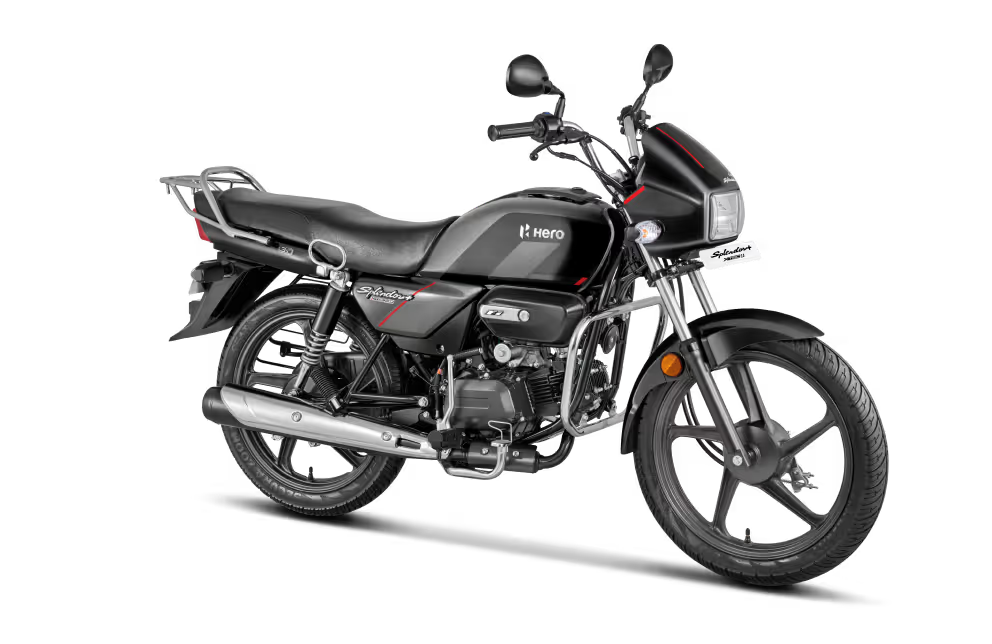
₹81,060 (ex-showroom) | 97.2cc | City mileage: 70 km/l
The Hero Splendor Plus XTEC 2.0 makes the compelling case that the best beginner bike is simply the one that is easiest to manage. Its 97.2cc engine is the most unhurried, most forgiving power plant in this guide — there is no way to accidentally wheelie it, no surge that catches you off-balance, no penalty for being on the wrong gear at the wrong speed. For a brand-new rider still learning throttle control, this matters enormously.
At 112 kg with a 785mm seat height, it is the lightest and most accessible bike on this list — approachable for shorter riders and easily recovered from any slow-speed wobble. The XTEC 2.0 brings the Splendor formula fully up to date: disc brake, LED lighting, Bluetooth connectivity, and a digital cluster, at a price that undercuts almost every competitor here.
The 70 km/l mileage is the best in this guide by a significant margin — your learning months cost very little in fuel. Hero's service network ensures that wherever you are in India, a service centre is close. For a beginner outside a major city, this is the single most important practical advantage a motorcycle can offer.
Pros
- Most forgiving power delivery in this guide — truly zero surprises
- Lightest bike here at 112 kg — easiest to manage
- 70 km/l — lowest monthly running cost in this guide
- Bluetooth, disc, LED — modern spec at ₹81,060
- Hero's 6,000+ service network — ideal for non-metro riders
Cons
- 97.2cc — will feel underpowered once skills develop
- No highway ability — not suitable for routes above 70 km/h
- Dated styling compared to sporty alternatives
Who should buy: Beginners who prioritise maximum confidence, minimum cost, and Hero's service network — especially those outside metro cities or on a tighter budget who want modern features.
View Full Specs & On-Road Price
5. Bajaj Pulsar N125
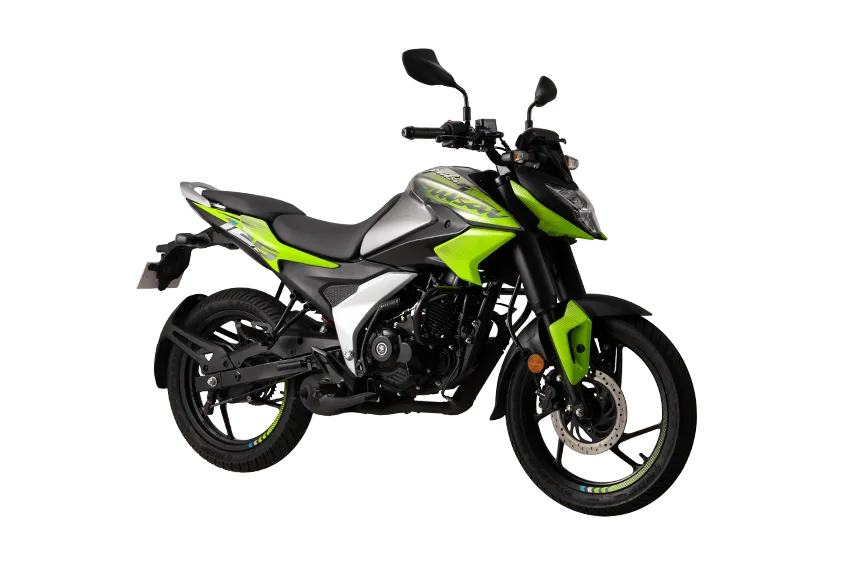
₹93,668 (ex-showroom) | 124.58cc | City mileage: 60 km/l
The Bajaj Pulsar N125 brings the Pulsar name and naked streetfighter design language into the 125cc class — and for a beginner who wants the look and spirit of a larger Pulsar without the commitment of 150cc+, it makes a strong case. At 12 PS and 125 kg, it is the best-performing 125cc per rupee in this guide, undercutting the Honda SP 125 and Hero Xtreme 125R on price while offering comparable straight-line performance.
The 60 km/l city mileage is excellent for its performance level, and the split seat and LED setup give it a presence that punches well above its displacement. For a beginner who intends to upgrade quickly, the Pulsar N125 teaches throttle management and riding posture in a context that resembles what larger Pulsars feel like — making the eventual upgrade more intuitive.
The trade-offs are Bajaj's more modest service network relative to Hero, and slightly lower resale versus Honda. For urban and semi-urban riders with Bajaj service access, these are manageable.
Pros
- 12 PS — best performance value in 125cc class
- Pulsar styling — full streetfighter look at 125cc price
- 60 km/l — strong mileage for its performance level
- 125 kg — manageable weight for new riders
Cons
- Bajaj service network thinner than Hero in rural areas
- Lower resale value than Honda SP 125
- Slightly more aggressive character — less forgiving than SP 125
Who should buy: Beginners with Bajaj service access who want maximum performance per rupee in 125cc — and plan to stay with the Pulsar family as they upgrade.
View Full Specs & On-Road Price
6. Honda Unicorn
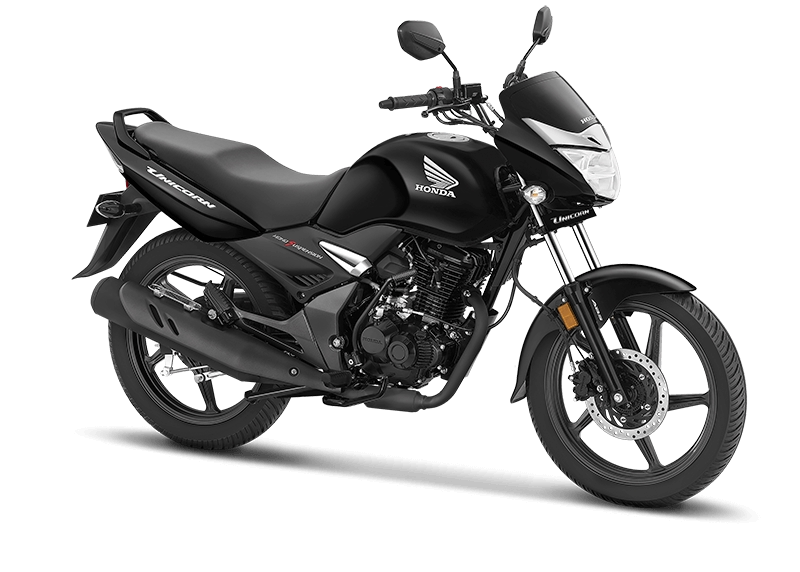
₹1,12,898 (ex-showroom) | 162.71cc FI | City mileage: 50 km/l
If you're stepping up to 160cc for the first time, the Honda Unicorn is the most forgiving path across that threshold. Its 162.71cc FI engine is tuned specifically for a broad, flat power delivery — the kind that never delivers an unexpected power surge in the middle of a corner. At 70–90 km/h, the Unicorn feels almost telepathic in its responsiveness, which is exactly what a new rider needs at highway speeds.
Honda's engineering priority for the Unicorn has always been comfort and predictability over sportiness. A well-padded seat, upright riding position, and vibration levels that barely register at cruise mean the bike remains mentally relaxed to ride even as distances increase. For a beginner stepping up from 125cc who does longer routes, this matters more than any specification number.
The FI system ensures consistent starts and smooth behaviour across monsoon humidity, cold mornings, and summer heat — fewer variables for a new rider to manage. Honda's build quality, at 139 kg, gives the bike a planted, confidence-inspiring feel that is never skittish on imperfect road surfaces.
Pros
- Most forgiving 160cc power delivery — no surprises
- FI engine — consistent across all weather and temperature
- Excellent comfort — low fatigue on longer rides
- Honda's best-in-class build quality at 160cc
- 50 km/l — strong mileage for a 160cc FI bike
Cons
- No Bluetooth or ride modes
- Thinner rural service network than Hero
- Higher running cost than 125cc alternatives
Who should buy: Riders making their first step up to 160cc who want maximum predictability and comfort — especially those who will use the bike for 50+ km mixed city-highway routes.
View Full Specs & On-Road Price
7. Yamaha FZ-S Fi V4
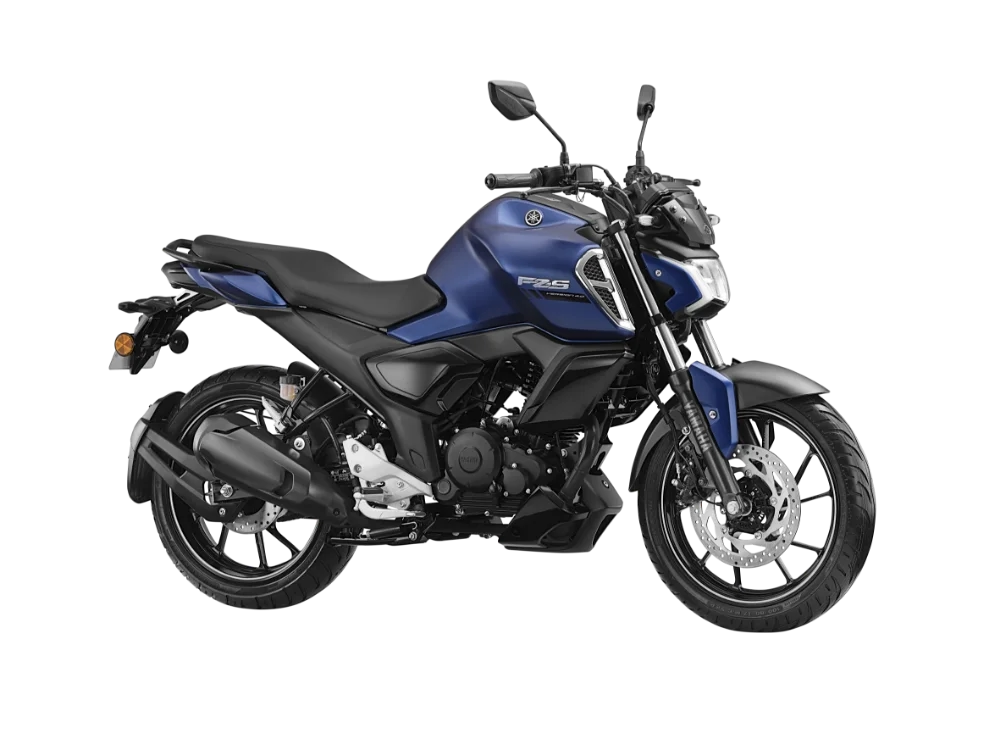
₹1,20,409 (ex-showroom) | 149cc FI | City mileage: 60 km/l
The Yamaha FZ-S Fi V4 is the premium beginner's choice — the motorcycle for a new rider who understands that the quality of your machine influences the quality of your riding experience. Over four generations, Yamaha has refined the FZ into something that genuinely punches above its price: switchgear that clicks with precision, a finish that holds, and a 149cc FI engine that is smooth and linear enough to feel reassuring at every stage of skill development.
Y-Connect Bluetooth provides navigation alerts and call notifications — practical features for a beginner still learning routes. The upright naked streetfighter stance offers good visibility in traffic and natural ergonomics. At 136 kg, the FZ-S V4 sits comfortably in hand at low speeds. The 12.4 PS output is enough to be engaging on weekend runs without being aggressive in city traffic.
The running cost is higher than 125cc alternatives — 60 km/l is excellent for 149cc FI, but the monthly fuel bill is meaningfully above the SP 125. This is the bike for beginners who will keep it long-term and want to grow into it, rather than those who plan an early upgrade.
Pros
- Best build quality and finish in this guide
- Y-Connect Bluetooth — navigation and call alerts
- Smooth, linear 149cc FI — forgiving for beginners
- Strong urban resale — competitive with Honda
- 60 km/l — exceptional for 149cc FI class
Cons
- Higher running cost than 125cc bikes
- Yamaha service network thinner than Hero in rural areas
- Most expensive in the 160cc step-up tier
Who should buy: Beginners who want a premium, long-term motorcycle they'll enjoy as their skills develop — and who are willing to pay slightly more monthly for the quality difference.
View Full Specs & On-Road Price
8. Hero Xtreme 160R
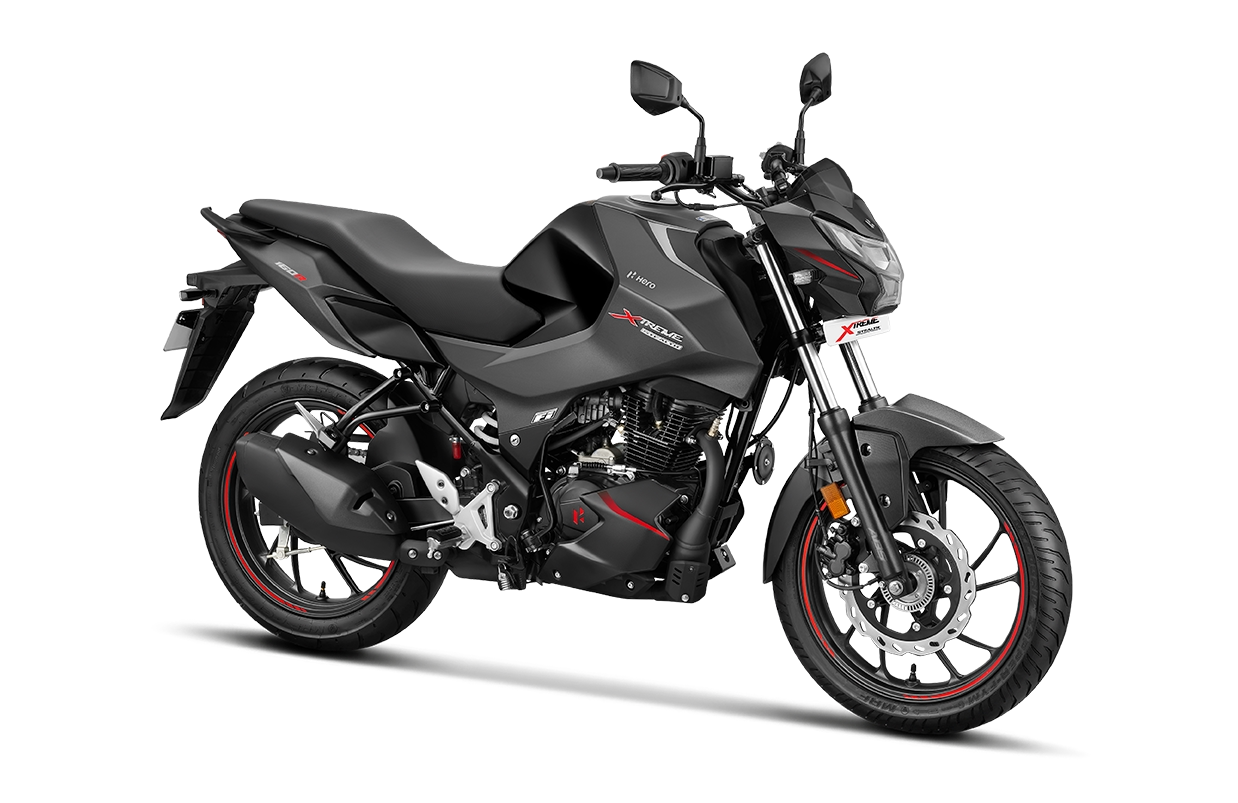
₹1,05,667 (ex-showroom) | 163.2cc | City mileage: 49.65 km/l
The Hero Xtreme 160R is the most affordable route into the 160cc class and brings the same service network advantage that makes Hero a compelling choice at every price point. At ₹1,05,667, it undercuts the Unicorn, FZ-S V4, SP 160, and Pulsar N160 — making it the 160cc step-up for beginners on a tighter budget.
The 163.2cc engine produces 14.79 bhp in a way that is progressive enough for a new rider: there is pull when you want it, but no aggression that catches you off-guard in traffic. The 138.5 kg kerb weight feels planted without being heavy. Hero's attention to suspension tuning at city speeds makes the Xtreme 160R comfortable on the broken roads that new riders are still learning to read.
The practical argument for the Xtreme 160R comes back, as it always does with Hero, to the service network. A beginner on a 160cc bike who drops it in a rural area needs help nearby. Hero's 6,000+ centres are the best argument for choosing this bike over technically superior alternatives at similar prices.
Pros
- Most affordable 160cc step-up in this guide
- Hero's 6,000+ service network — best rural coverage at 160cc
- Progressive 14.79 bhp — enough power without being aggressive
- Well-tuned suspension for city roads
Cons
- No FI — mileage less consistent across seasons than Honda
- Less premium feel than the Yamaha FZ-S V4
- No Bluetooth connectivity
Who should buy: Budget-conscious beginners making their first step to 160cc — particularly those outside metros who need Hero's service coverage. The lowest cost of entry to the 160cc class.
View Full Specs & On-Road Price
9. Bajaj Pulsar N160
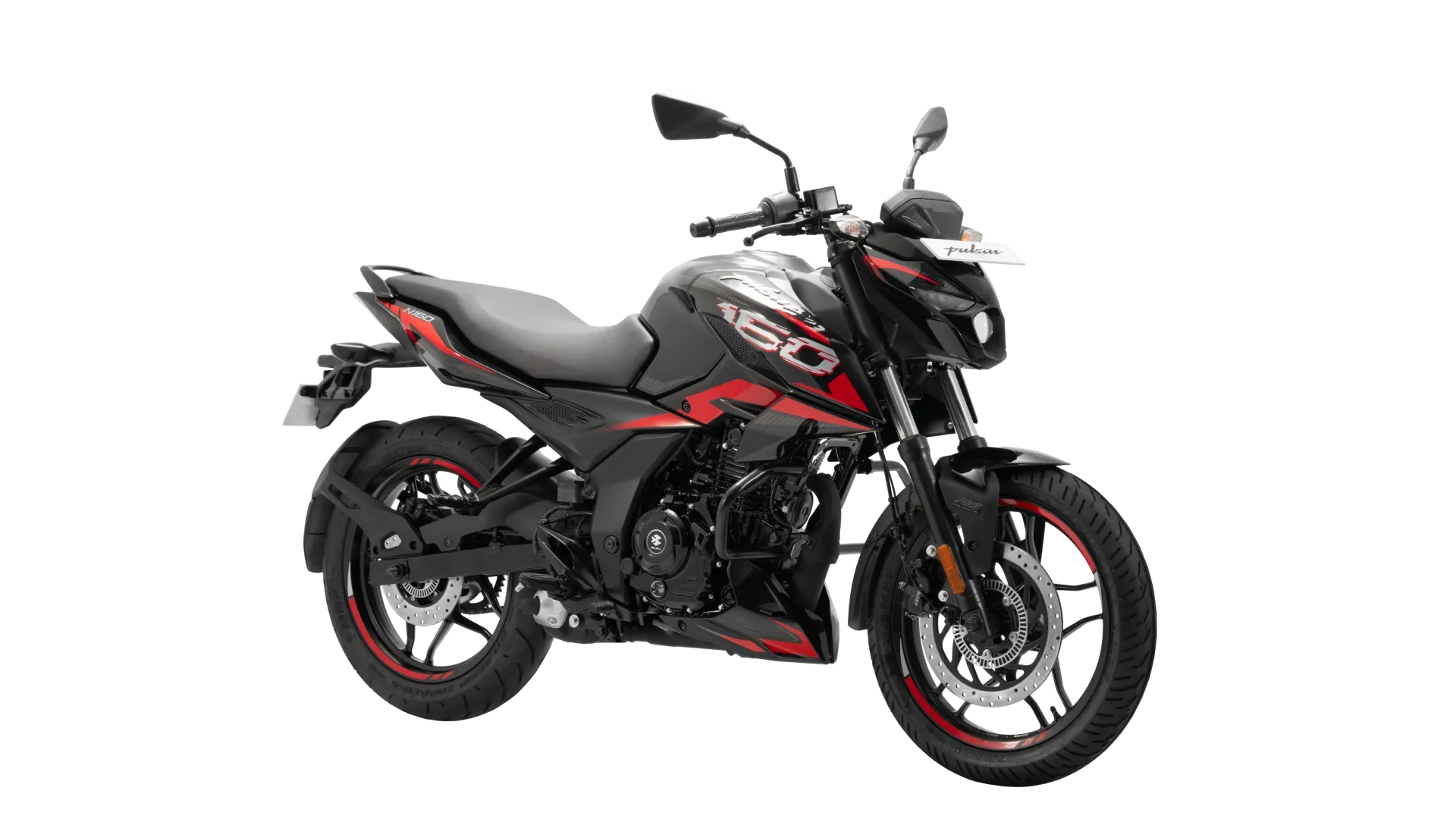
₹1,14,840 (ex-showroom) | 164.82cc | City mileage: 51.6 km/l
The Bajaj Pulsar N160 is the 160cc for beginners who want performance headroom they can grow into. At 16 PS and 164.82cc, it produces the most power of any bike in the 160cc step-up tier — but the power arrives progressively, making it manageable for a disciplined new rider while remaining genuinely exciting once your skills advance.
Bajaj's 51.6 km/l mileage figure is the best in the 160cc class in this guide — meaningful for a new rider watching monthly costs. The dual- channel ABS option provides genuine stopping confidence that drum/CBS setups cannot match. If you are the kind of beginner who expects to keep this bike for three or more years as your riding develops, the N160's performance ceiling is high enough to stay relevant well into intermediate territory.
The trade-off is that the N160's more performance-oriented character demands more respect from a new rider than the Unicorn or Xtreme 160R. It is the most capable beginner 160cc in this guide — not the most forgiving.
Pros
- 16 PS — most powerful 160cc in this guide
- 51.6 km/l — best mileage in the 160cc step-up class
- Dual-channel ABS option — best braking safety available
- High performance ceiling — stays relevant as skills grow
Cons
- More demanding character than Unicorn or Xtreme 160R
- Bajaj service network thinner than Hero in rural areas
- Lower resale than Honda and Yamaha
Who should buy: Beginners who plan to keep the bike for 3+ years and want a 160cc that grows with them — those willing to be disciplined early in return for more performance potential later.
View Full Specs & On-Road Price
10. TVS Apache RTR 160 2V
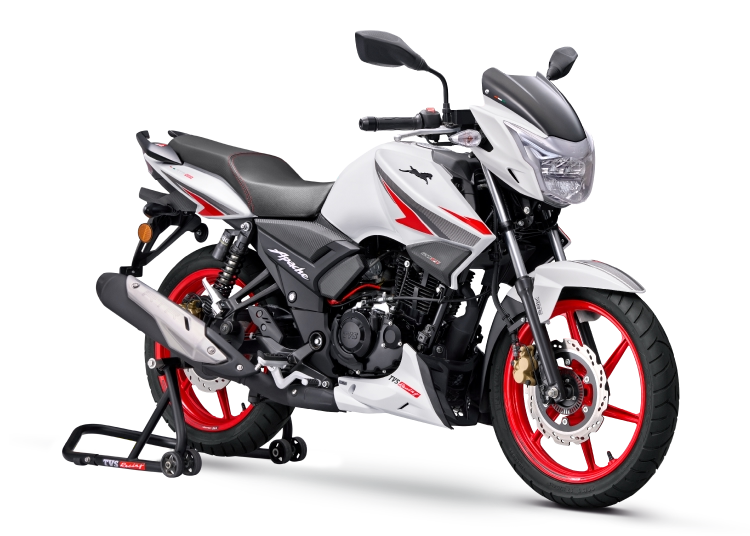
₹1,09,036 (ex-showroom) | 159.7cc | City mileage: 47 km/l
The TVS Apache RTR 160 2V carries genuine race-bred DNA into the beginner 160cc class. TVS's motorsport heritage — drawn from their Dakar and race programmes — shows up in the Apache's suspension tuning, chassis stiffness, and how the 16.04 PS engine delivers power: urgently at mid-to-high revs in a way that rewards riding with intent. For a beginner who wants to feel like they're on a real performance bike from day one, this character is the appeal.
The trade-off is that the Apache asks more of its rider than the Unicorn or Xtreme 160R. The power delivery is sportier, the chassis more eager, and the ergonomics more committed — it rewards riders who are actively improving their technique. A very cautious, slow-developing beginner may find the Unicorn more appropriate. But for a new rider with coordination, some confidence, and an interest in going fast safely, the Apache RTR 160 2V builds skills faster than a more docile alternative.
Pros
- Race-bred chassis — teaches better technique faster
- 16.04 PS — strong power delivery for the class
- Sporty character that stays engaging as skills grow
- TVS's expanding metro service network
Cons
- More demanding than Unicorn — not for very cautious beginners
- 47 km/l — lower mileage than most alternatives here
- Thinner rural service network than Hero
Who should buy: Confident beginners in urban areas who want a sporty character, race-derived handling, and a 160cc that rewards active riding — not passive commuting.
View Full Specs & On-Road Price
11. Honda SP 160
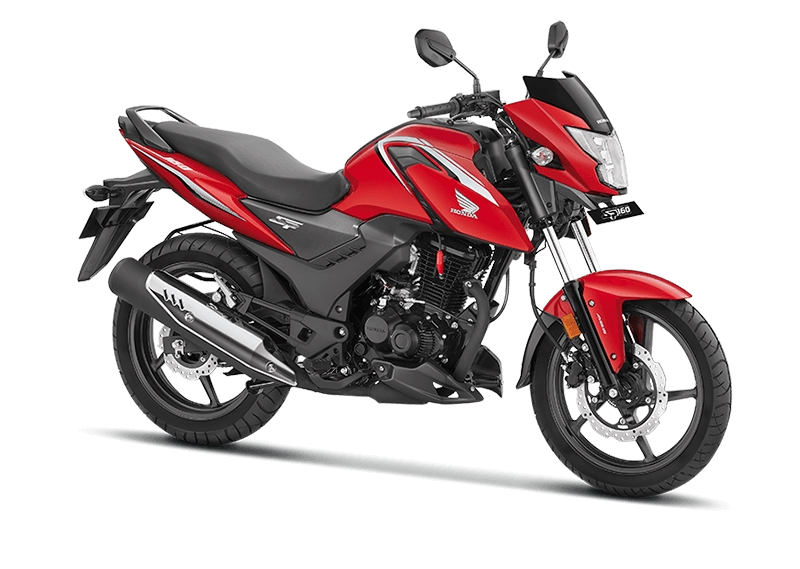
₹1,18,311 (ex-showroom) | 162.7cc FI | City mileage: 50 km/l
The Honda SP 160 is the SP 125 formula scaled up to 160cc — and it carries all the virtues that make Honda's commuter range so consistently recommended for new riders. The 162.7cc FI engine is smooth, linear, and predictable; 13.18 PS arrives in a broad spread that never spikes unexpectedly. At 138 kg, it sits between the Unicorn's planted feel and the lighter 125cc bikes in terms of managability.
Honda claims 50 km/l for city use — best in the 160cc FI class — and the FI system maintains that figure across seasons in a way that carburetted rivals cannot. For a new rider still managing many variables, knowing your fuel consumption is consistent removes one more thing to think about. Honda's build quality shows up in every detail: switch gear that works correctly every time, a finish that holds, and an engine that remains clean for longer between services.
The SP 160 sits between the Unicorn (more comfort-focused) and the Apache/Pulsar N160 (more performance-focused) in character — a balanced step-up that is approachable without being docile.
Pros
- Best mileage in 160cc FI class — 50 km/l real-world
- Smooth FI engine — year-round consistency, no cold-start fuss
- Honda build quality — best finish and durability at 160cc
- Balanced character — approachable but not boring
Cons
- No Bluetooth or connected features
- Smaller rural service network than Hero
- Higher price than the Xtreme 160R
Who should buy: City beginners who want Honda build quality and FI efficiency at 160cc — a step up from the Unicorn in sportiness while retaining Honda's reliability and economy advantages.
View Full Specs & On-Road Price
12. Suzuki Gixxer
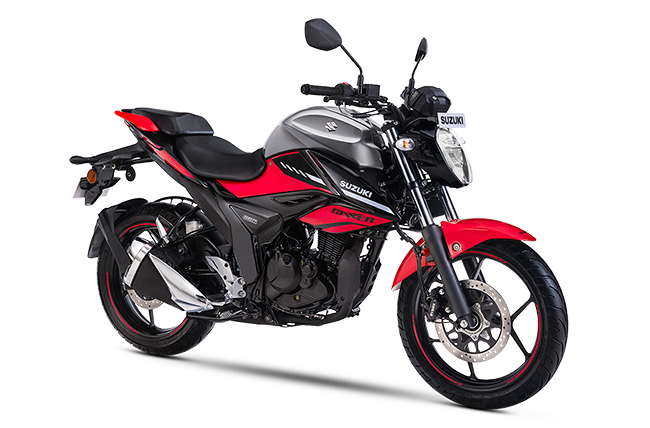
₹1,28,892 (ex-showroom) | 155cc FI | City mileage: 45 km/l
The Suzuki Gixxer is the all-rounder that grows with you — a motorcycle that does not ask you to compromise at any stage of your riding development. Its 154.9cc FI engine has a broad, manageable power band that suits both the cautious traffic filtering of the beginner phase and the more confident highway riding that comes six months later. It is neither too sporty for a new rider nor too mild to remain interesting as skills build.
Suzuki's SEP (Suzuki Eco Performance) technology keeps mileage competitive for a 155cc FI bike. The lightweight chassis makes filtering easy and parking manageable even for shorter riders. Build quality is Suzuki-solid — components that work correctly every day without requiring attention. The Gixxer rewards careful, improving riders with progressively better feedback as technique develops: it will not hide your mistakes in the early months, but it will not amplify them either.
At ₹1,28,892 it is the priciest bike in this guide. But for a beginner who can afford it and wants a single motorcycle to carry them from their first lessons through to confident intermediate riding without an upgrade, the Gixxer is the most honest answer.
Pros
- Most balanced ride character — suitable from day one to year three
- SEP technology — competitive mileage for 155cc FI
- Lightweight chassis — easy city manoeuvring and parking
- Excellent long-term build quality and reliability
Cons
- Highest price in this guide — ₹1,28,892
- No Bluetooth connectivity
- Suzuki service network thinner than Hero in rural areas
Who should buy: Beginners who can spend ₹1.3L and want a single motorcycle that will never need replacing as they develop — an all-rounder that is equally capable on the first day and the three-hundredth.
View Full Specs & On-Road Price
Monthly Running Cost Comparison
Estimated monthly fuel cost for a 30 km daily commute (600 km/month) at ₹104/litre. Service cost averaged over 12 months based on standard service intervals.
| Bike | City Mileage | Monthly Fuel Cost | Avg Monthly Service | Est. Monthly Total |
|---|---|---|---|---|
| Hero Splendor Plus XTEC 2.0 | 70 km/l | ~₹891 | ~₹300 | ~₹1,191 |
| Honda SP 125 | 60 km/l | ~₹1,040 | ~₹370 | ~₹1,410 |
| TVS Raider 125 | 56–60 km/l | ~₹1,070 | ~₹360 | ~₹1,430 |
| Hero Xtreme 125R | 60 km/l | ~₹1,040 | ~₹310 | ~₹1,350 |
| Bajaj Pulsar N125 | 60 km/l | ~₹1,040 | ~₹340 | ~₹1,380 |
| Honda Unicorn | 50 km/l | ~₹1,248 | ~₹420 | ~₹1,668 |
| Yamaha FZ-S Fi V4 | 60 km/l | ~₹1,040 | ~₹430 | ~₹1,470 |
| Hero Xtreme 160R | 49.65 km/l | ~₹1,256 | ~₹320 | ~₹1,576 |
| Bajaj Pulsar N160 | 51.6 km/l | ~₹1,209 | ~₹350 | ~₹1,559 |
| TVS Apache RTR 160 2V | 47 km/l | ~₹1,328 | ~₹360 | ~₹1,688 |
| Honda SP 160 | 50 km/l | ~₹1,248 | ~₹420 | ~₹1,668 |
| Suzuki Gixxer | 45 km/l | ~₹1,387 | ~₹450 | ~₹1,837 |
What Actually Matters When Choosing Your First Bike
- Engine size: For absolute beginners, start with 125cc. You can learn all fundamental skills — clutch control, throttle management, braking balance — on 10–12 PS without the risk of being caught out by more power than you can use. Step up to 160cc only when you are comfortable at highway speeds and confident in emergency stops.
- Weight: Every beginner drops their bike at least once at low speed. A 110–125 kg bike is significantly easier to pick up than a 155 kg one. Choose the lighter option until you have enough riding hours to feel confident recovering from a tip-over.
- Braking system: CBS (Combined Braking System) is the minimum for a beginner — it prevents the common mistake of grabbing only the front brake in a panic. ABS, available on some 160cc options, is better still and is worth the premium on your first bike.
- Service network: Beginners have more incidents — small drops, minor damage, unexpected service needs. If you are outside a metro, Hero's 6,000+ service network means help is always close. Do not choose a Yamaha or Suzuki if you are more than 30 km from a service centre.
- Seat height: Being able to put both feet flat on the ground when stationary builds confidence in the early months. Check the seat height specification against your inseam — most bikes here fall between 790mm and 810mm.
- Resale: Most riders upgrade after 2–3 years. Honda (SP 125, SP 160, Unicorn) and Yamaha (FZ-S V4) retain value best. A better-resale bike effectively costs less per year to own.
Worth Considering Beyond This Guide
If your needs don't fit squarely within this list, these bikes are also worth evaluating:

Bajaj Pulsar 125
Classic Pulsar styling at 125cc. 50–55 km/l and 140 kg — a sporty starter with good parts availability at ₹82,420.
View specs →
Honda Shine 125
Honda refinement at an accessible ₹80,852. A smoother, less sporty alternative to the SP 125 for the most cautious beginners.
View specs →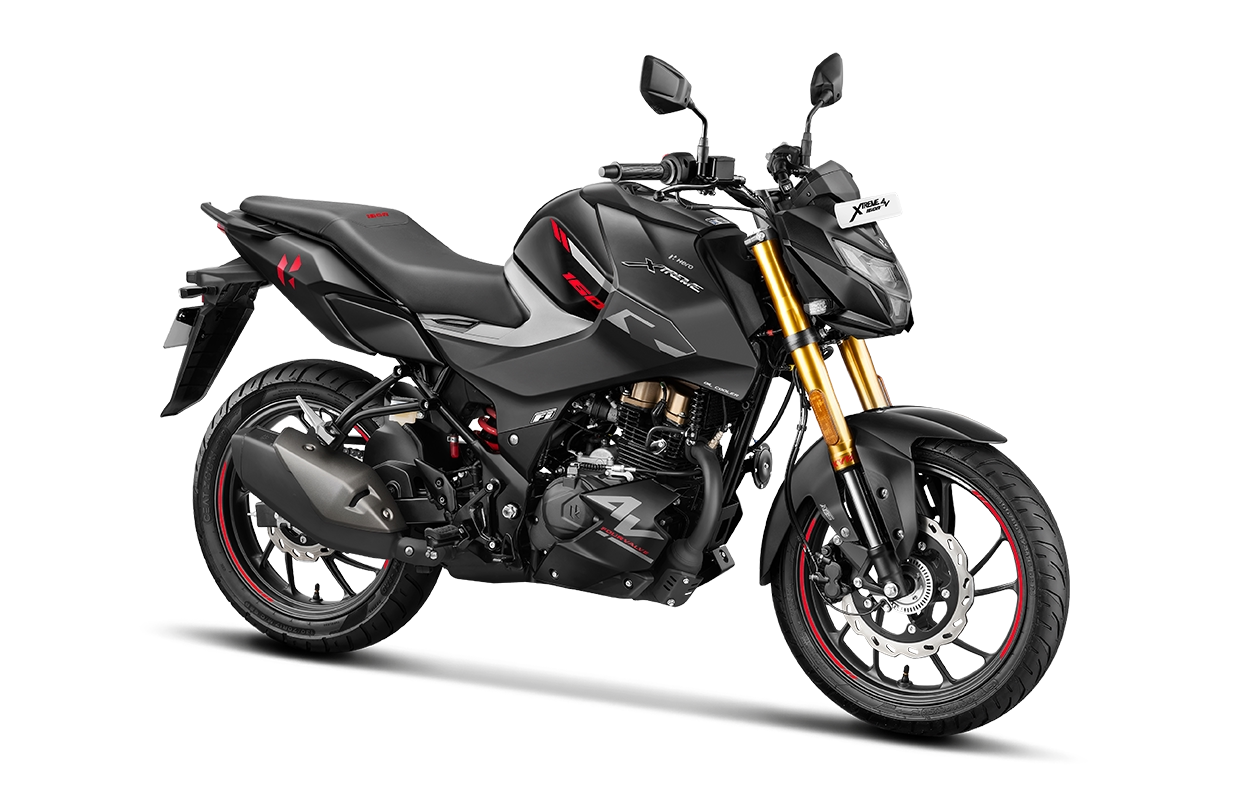
Hero Xtreme 160R 4V
Step up from the standard 160R with 16.9 bhp and 4-valve head — for beginners who want more performance at ₹1,31,755.
View specs →Final Verdict
The best beginner bike is the one that teaches you to ride well, costs the least when you make mistakes, and gives you enough capability to outgrow your early limitations without outgrowing the machine itself in six months.
For most new riders, the Honda SP 125 is the right answer: smooth FI power, CBS braking, Honda reliability, the best resale in 125cc, and mileage that keeps the learning phase affordable. If budget is a priority, the TVS Raider 125 at ₹84,490 delivers Bluetooth connectivity and a modern feel for less money. For beginners outside metro cities who need service certainty, the Hero Xtreme 125R or Hero Splendor Plus XTEC 2.0 bring Hero's 6,000-centre network to the table.
Stepping up to 160cc, the Honda Unicorn is the most forgiving path across the threshold — its broad, flat power delivery is uniquely suited to the new rider developing highway confidence. The Yamaha FZ-S Fi V4 is the premium choice that grows with you, and the Bajaj Pulsar N160 offers the most performance headroom for a beginner who plans to keep the bike long-term.
For those who can budget to ₹1.3L and want a single motorcycle to carry them from their first months through to confident intermediate riding, the Suzuki Gixxer is the most honest all-round answer — the bike that never asks you to apologise for your stage of development.
Whatever you choose, take a test ride. The feel of a seat height, the weight at low speed, and the throttle response in the first 100 metres tells you more about a beginner fit than any specification sheet can.
Frequently Asked Questions
Which is the best bike for beginners in India in 2026?
For most new riders, the Honda SP 125 is the best beginner bike in India. Its fuel-injected engine delivers smooth, linear power that never surprises, CBS ensures confident braking, and Honda's build quality minimises unexpected costs. If budget is tight, the TVS Raider 125 at ₹84,490 is the best-value alternative with Bluetooth connectivity and strong mileage.
Should a beginner buy a 125cc or 150cc bike?
Start with 125cc. The power range is sufficient to learn all fundamental riding skills safely. 125cc FI bikes like the Honda SP 125 match some 100cc bikes on mileage while offering meaningful performance. Step up to 150/160cc only after 6–12 months when you are comfortable managing throttle, braking, and emergency situations confidently.
What is the best 160cc bike for a beginner?
The Honda Unicorn is the most forgiving first 160cc — its power delivery is the broadest and flattest in the class, meaning no unexpected surges. The Honda SP 160 is the most efficient option. For beginners willing to be disciplined early in exchange for more long- term performance, the Bajaj Pulsar N160 with ABS is worth the extra attention it demands.
Which beginner bike has the best mileage?
The Hero Splendor Plus XTEC 2.0 delivers 70 km/l — the best mileage in this guide by a significant margin. Among 125cc bikes, the Honda SP 125, Hero Xtreme 125R, and Bajaj Pulsar N125 all deliver around 60 km/l. In the 160cc class, the Bajaj Pulsar N160 leads with 51.6 km/l.
Is the Yamaha FZ-S a good beginner bike?
Yes — the Yamaha FZ-S Fi V4 is a good beginner bike for those who can afford ₹1.2L and want a motorcycle that feels genuinely premium from day one. Its 149cc FI engine is smooth and forgiving, and the Y-Connect Bluetooth is a practical feature for new urban riders learning routes. The main trade-off is higher running cost than 125cc alternatives and a thinner rural service network.
Which beginner bike is best for rural areas?
Hero bikes are unmatched for rural beginners. The Hero Splendor Plus XTEC 2.0 and Hero Xtreme 125R both have access to Hero's 6,000+ service network — meaning genuine parts and trained mechanics are available even in small towns. For a rural beginner stepping up to 160cc, the Hero Xtreme 160R offers the same service advantage at that displacement.
How much does it cost per month to run a beginner bike?
On a 30 km daily commute at ₹104/litre, monthly running costs (fuel + service) range from approximately ₹1,191 for the Hero Splendor Plus XTEC 2.0 to ₹1,837 for the Suzuki Gixxer. Most 125cc bikes in this guide cost ₹1,350–₹1,430 per month to run. Remember to also budget for EMI, insurance (first year is mandatory and typically ₹3,000–₹8,000 annually), and tyre replacement every 15,000–20,000 km.
Does CBS or ABS matter for a beginner?
Yes — significantly. CBS (Combined Braking System) prevents the most common beginner braking error: grabbing only the front brake in a panic. Most 125cc bikes here offer CBS as standard or optional. ABS (Anti-lock Braking System), available on some 160cc options like the Bajaj Pulsar N160, goes further by preventing wheel lock in emergency stops. For a first bike, CBS is a meaningful safety addition; ABS is worth paying for if budget allows at 160cc.